<?php include '../nav/top.php';?>
<title>Biking and Hiking New Zealand</title>
<meta content="new zealand, bicycle tour" name="keywords"/>
<meta content="Biking and Hiking New Zealand" name="description"/>
<?php include '../nav/head3rd.php';?>

<!-- Sidebar -->

<?php include 'sidebarnz.php';?>

<!-- Overlay effect when opening sidebar on small screens -->

<div class="w3-overlay w3-hide-large" onclick="w3_close()" style="cursor:pointer" title="close side menu" id="myOverlay"></div>

<!-- Main content: shift it to the right by 300 pixels when the sidebar is visible -->
<div class="w3-main main-content" style="margin-left:300px">
  <div class="w3-row w3-padding-64 w3-container">


<?php
$trip_meta = [
    "year"     => "2015/2016",
    "distance" => "10050 km",
    "tags"     => ["Oceania","New Zealand", "Mountains"],
    "url"      => "../2016/nz05_rotorua.php"
];
include '../includes/trip_summary.php';
?>
<div class="w3-large trip-content">
<h2 class="w3-text-blue">Biking and Hiking New Zealand - Rotorua</h2>

<div class="w3-row w3-padding-32">
<b>Monday, November 2 2015</b>
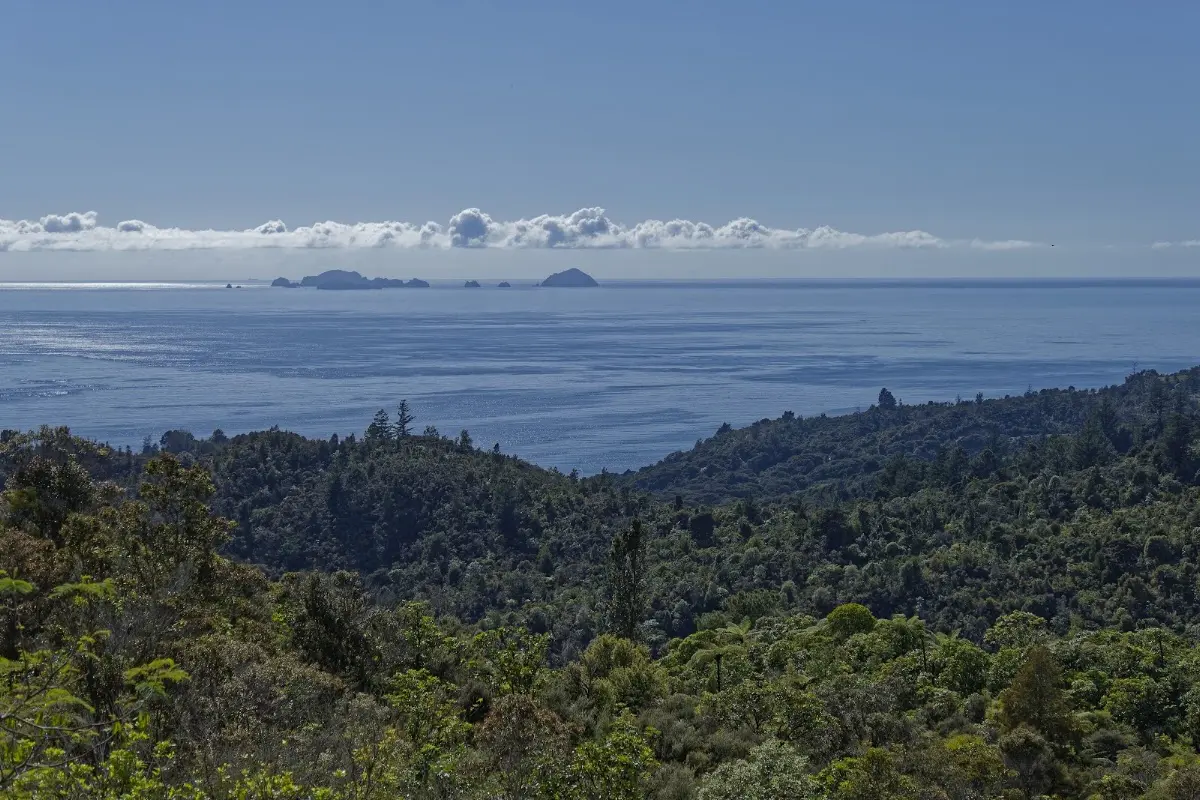
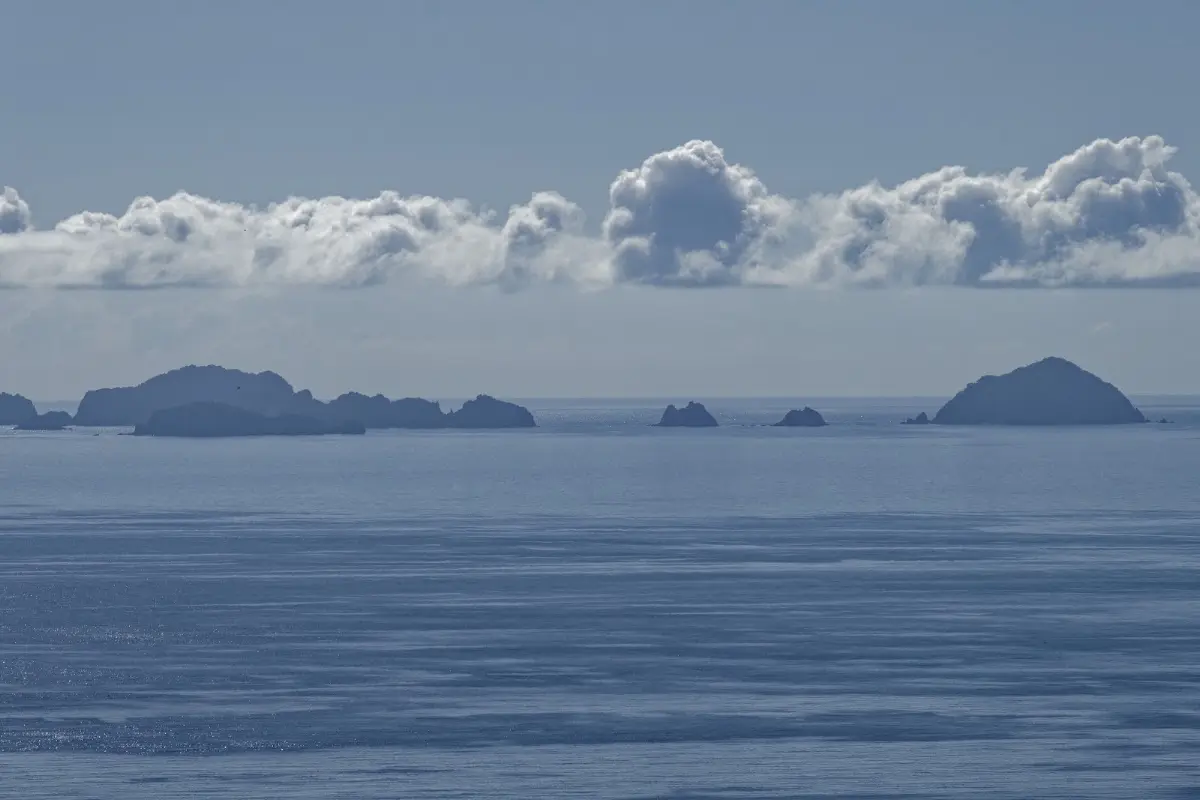
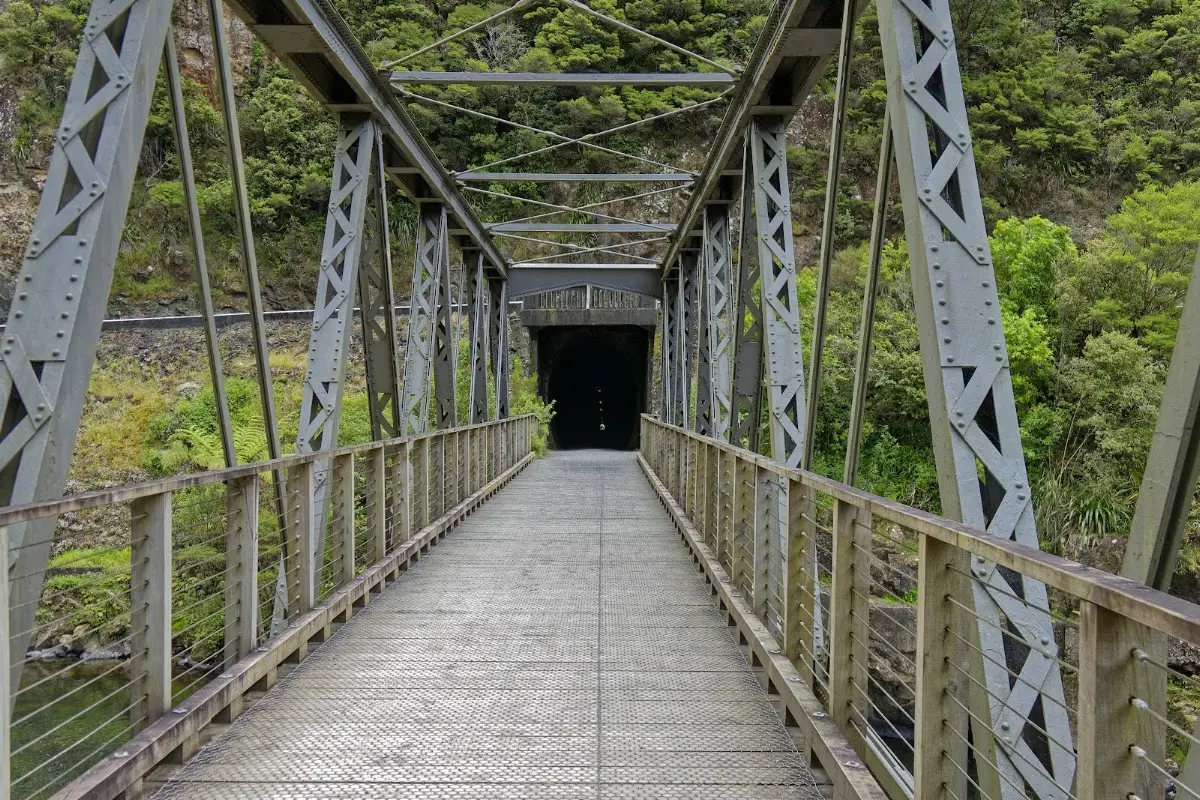
<p>In the coffee shop this morning they told me it was not a sandwich but a panini, which apparently made it more expensive. A few hills along the coast, then past Pauanui toward the old gold-mining town of Waihi. From there I followed the rail trail through the Karangahake Gorge to Paeroa — the world-famous place with the giant L&amp;P bottle.
My neighbours at the campsite in Te Aroha recommended the Hobbit tour for tomorrow. Today: 151 km in 7 hours 52 minutes.</p>
</div>


<p><div class="image-container"><img class="modal-image" data-large-src="img_nz05_rotorua/20151102_091957_large.webp" src="img_nz05_rotorua/20151102_091957.webp"/></div></p>

<p><div class="image-container"><img class="modal-image" data-large-src="img_nz05_rotorua/20151102_092010_large.webp" src="img_nz05_rotorua/20151102_092010.webp"/></div>
<p class="img-caption">Small rock islets off the coast near Pauanui, hazy in the morning light.</p></p>

<div class="w3-row w3-padding-32">
<div class="w3-card-1 w3-border w3-round">
<header class="w3-container w3-theme-green w3-round">
<h4>Pauanui, Whangamatā, and Waihi</h4>
</header>
<div class="w3-container">
<p><b>Pauanui</b>, meaning "big pāua" in Māori, sits at the mouth of the Tairua River on the Coromandel's east coast, opposite the town of Tairua. It's a well-off holiday destination whose summer population passes 15,000, with its own light-aircraft airstrip and even red-coloured roads for pedestrian safety — a family-focused development from the late 1960s built around game fishing, diving, surfing, and a long beach.</p>
<p><b>Whangamatā</b>, 30 km north of Waihi, swells past 25,000 people over New Year before emptying out again. Its two beaches and sheltered harbour make it popular for swimming and boating, and offshore islands like Whenuakura — known for a collapsed blowhole that formed a small inner beach — draw kayakers and rock-pool explorers. The name itself means roughly "bay of hard stone," a reference to the obsidian found on its shores.</p>
<p><b>Waihi</b>, at the southern foot of the Coromandel, is a gold-mining town through and through. Gold was found here in 1878, and the Martha Mine that followed became one of the world's most significant gold and silver mines — by 1908 Waihi was the fastest-growing town in Auckland Province. That growth came with conflict too: the 1912 miners' strike turned violent and cost unionist Fred Evans his life. Mining stopped in 1952, resumed later, and continues today. A branch railway opened in 1905 and closed in 1978, but part of it survives as the Goldfields Railway, now a tourist attraction. In the 1970s Waihi took an unexpected turn as a haven for hippies and the site of the large Nambassa festivals, which briefly multiplied the town's population several times over.</p>
</div>
</div>
</div>

<p><div class="image-container"><img class="modal-image" data-large-src="img_nz05_rotorua/20151102_095718_large.webp" src="img_nz05_rotorua/20151102_095718.webp"/></div></p>

<p><div class="image-container"><img class="modal-image" data-large-src="img_nz05_rotorua/20151102_095831_large.webp" src="img_nz05_rotorua/20151102_095831.webp"/></div></p>

<p><div class="image-container"><img class="modal-image" data-large-src="img_nz05_rotorua/20151102_151530_large.webp" src="img_nz05_rotorua/20151102_151530.webp"/></div>
<p class="img-caption">One of the old rail bridges on the Karangahake Windows Walk, leading straight into a disused mining tunnel.</p></p>


<div class="w3-row w3-padding-32">
<div class="w3-card-1 w3-border w3-round">
<header class="w3-container w3-theme-green w3-round">

<h4>Karangahake Gorge</h4>
</header>
<div class="w3-container">
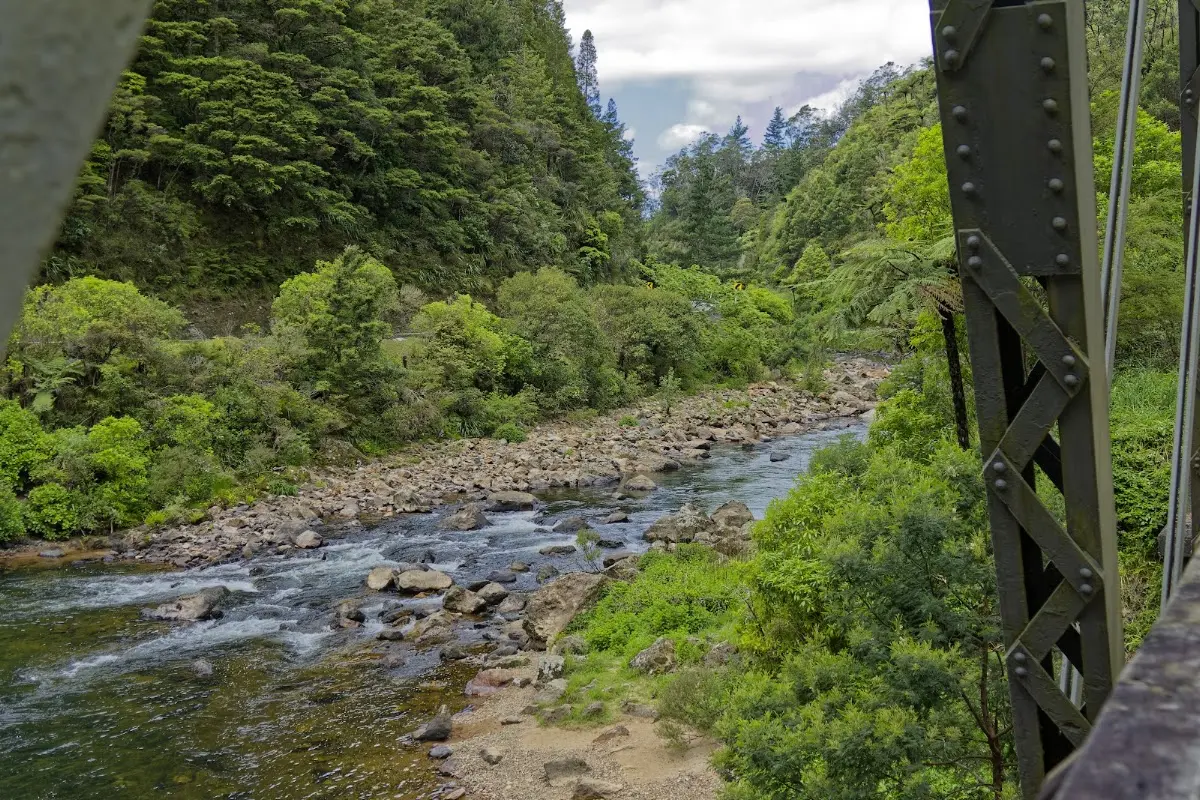
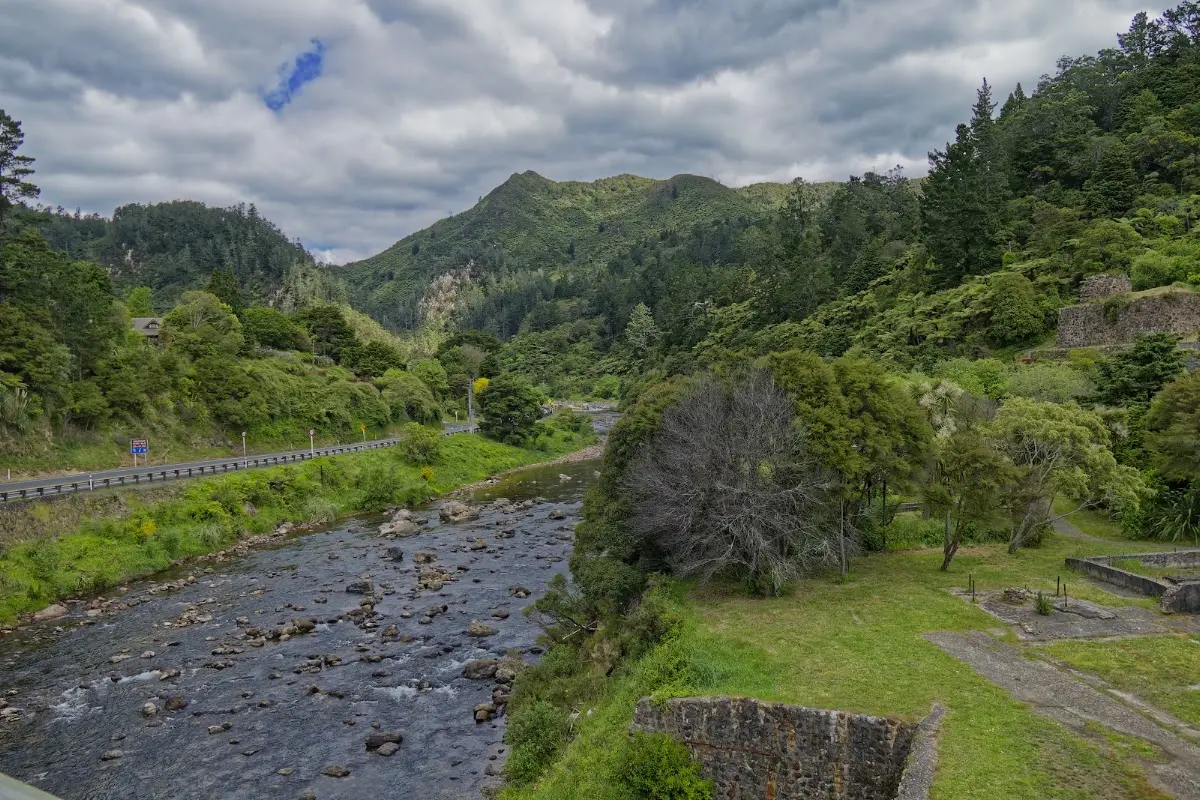
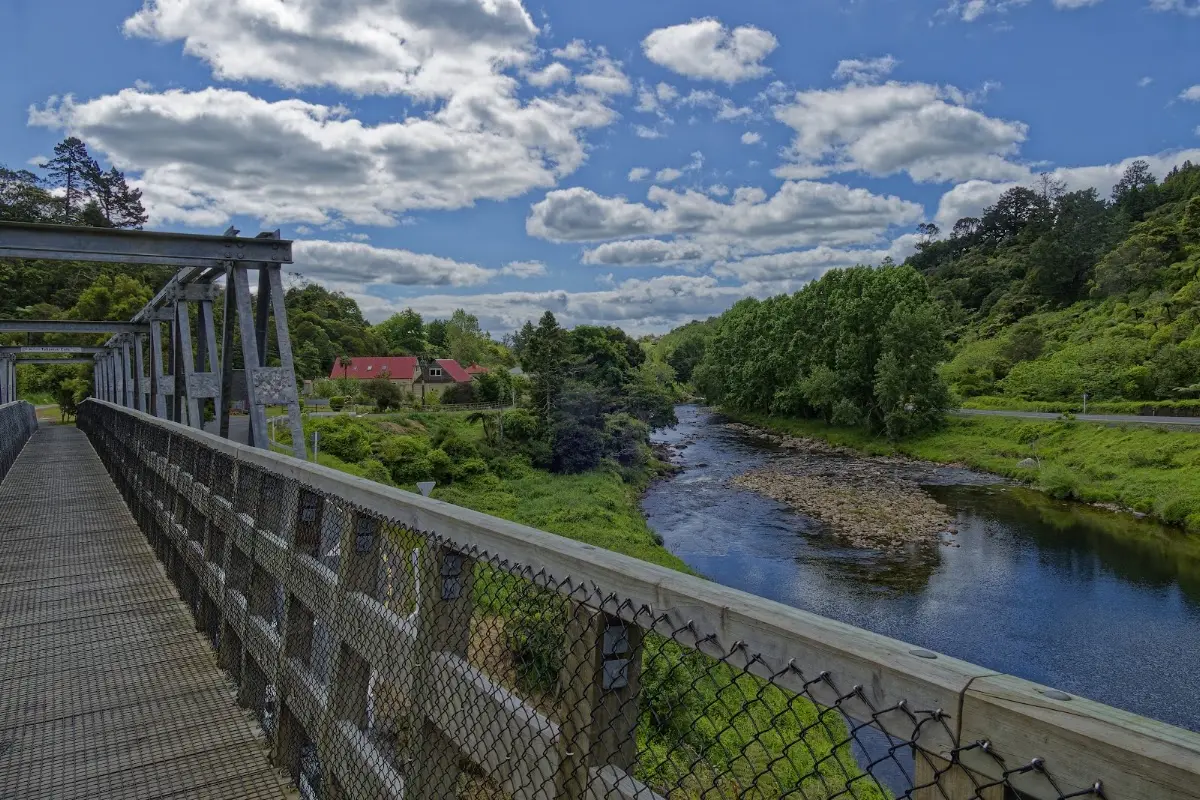
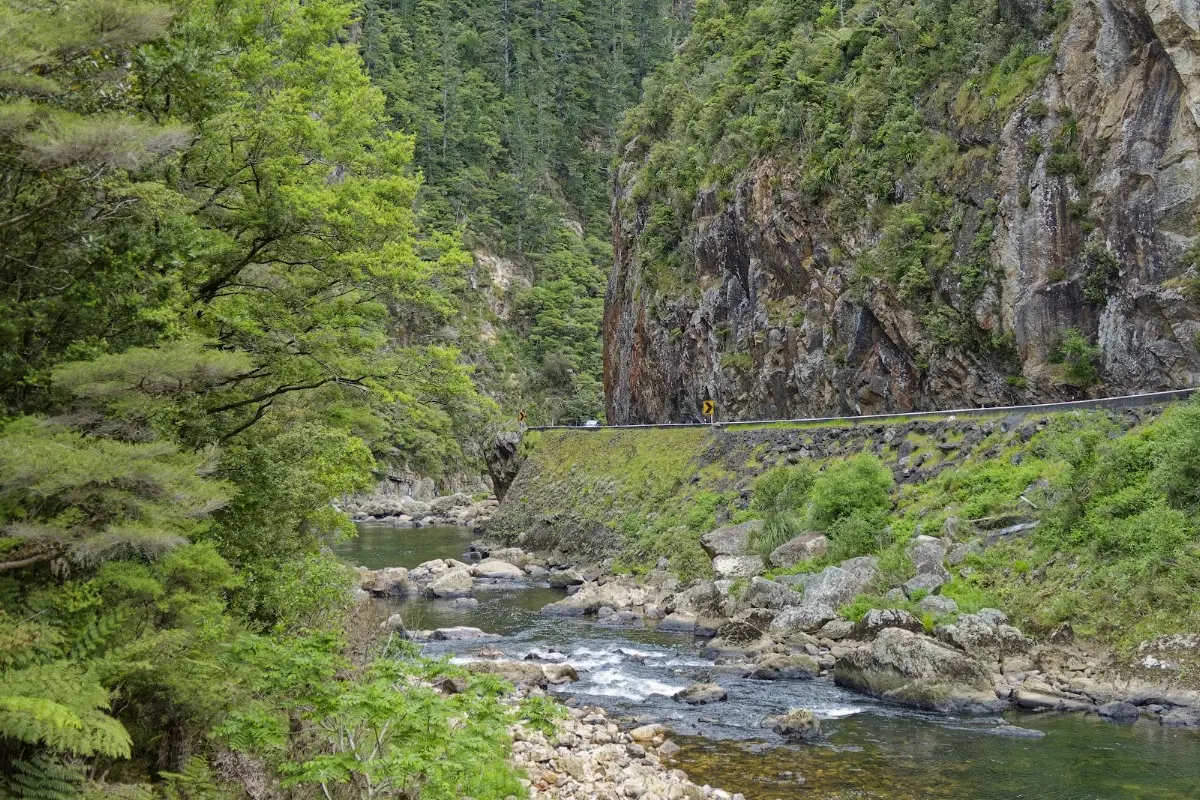
<p>The Karangahake Gorge lies between the Coromandel and Kaimai ranges and is one of the most scenic cycling stretches in this part of the North Island. The gorge was once a major centre of gold mining, and traces of that era remain in tunnels, tramways, bridges, and ruined industrial structures.
Today the old railway route through the gorge forms part of the Hauraki Rail Trail, making it a far more peaceful way to pass through the landscape than the main highway. For cyclists, it combines history, engineering, and steep bush-lined scenery in a way that feels very different from the open coast.
</p>
</div>
</div>
</div>

<p><div class="image-container"><img class="modal-image" data-large-src="img_nz05_rotorua/20151102_151603_large.webp" src="img_nz05_rotorua/20151102_151603.webp"/></div></p>

<p><div class="image-container"><img class="modal-image" data-large-src="img_nz05_rotorua/20151102_151701_large.webp" src="img_nz05_rotorua/20151102_151701.webp"/></div></p>

<p><div class="image-container"><img class="modal-image" data-large-src="img_nz05_rotorua/20151102_152252_large.webp" src="img_nz05_rotorua/20151102_152252.webp"/></div></p>

<p><div class="image-container"><img class="modal-image" data-large-src="img_nz05_rotorua/20151102_152321_large.webp" src="img_nz05_rotorua/20151102_152321.webp"/></div></p>

<p><div class="image-container"><img class="modal-image" data-large-src="img_nz05_rotorua/20151102_152808_large.webp" src="img_nz05_rotorua/20151102_152808.webp"/></div></p>

<p><div class="image-container"><img class="modal-image" data-large-src="img_nz05_rotorua/20151102_152829_large.webp" src="img_nz05_rotorua/20151102_152829.webp"/></div></p>


<div class="w3-row w3-padding-32">
<div class="w3-card-1 w3-border w3-round">
<header class="w3-container w3-theme-green w3-round">

<h4>Lemon & Paeroa</h4>
</header>
<div class="w3-container">
<p>
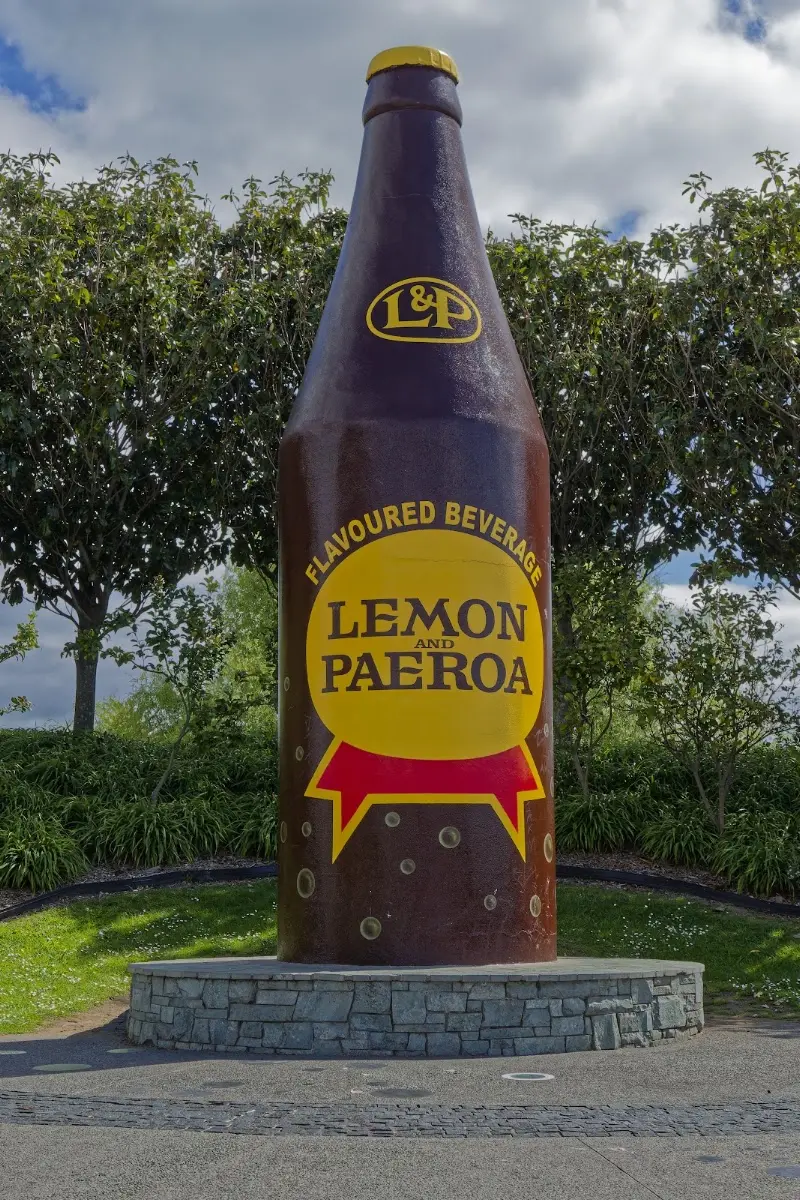
Paeroa is famous throughout New Zealand for Lemon & Paeroa, or simply L&P, a lemon-flavoured soft drink that became one of the country's best-known pieces of Kiwiana. Its origins lie in local mineral water and early bottling in the town, though the drink is now produced elsewhere.
The giant L&P bottle in Paeroa is one of those slightly absurd roadside landmarks that almost everybody photographs. It may not be a major historic monument, but it is memorable, unmistakably New Zealand, and hard to ignore when passing through.
</p>
</div>
</div>
</div>

<p><div class="image-container"><img class="modal-image" data-large-src="img_nz05_rotorua/20151102_154832_large.webp" src="img_nz05_rotorua/20151102_154832.webp"/></div>
<p class="img-caption">The giant L&amp;P bottle in Paeroa — hard to miss from the road.</p></p>

<p><div class="image-container"><img class="modal-image" data-large-src="img_nz05_rotorua/20151102_163511_large.webp" src="img_nz05_rotorua/20151102_163511.webp"/></div>
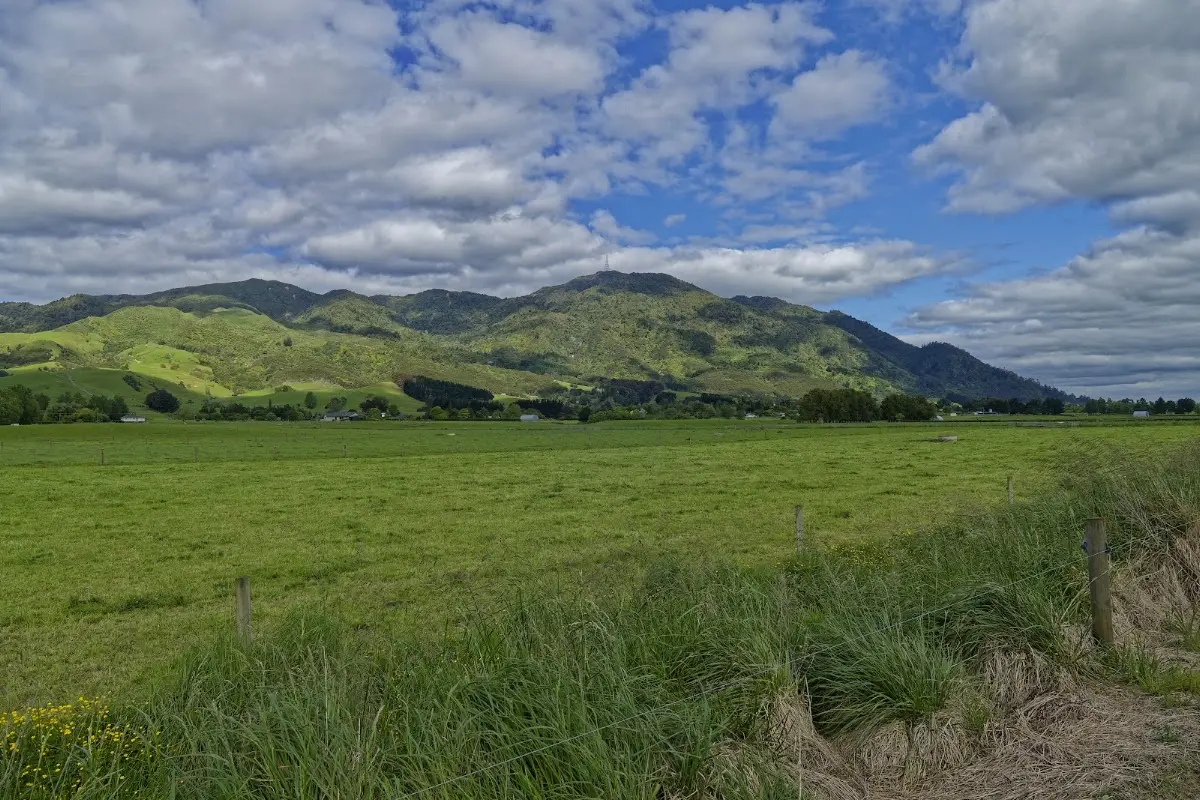
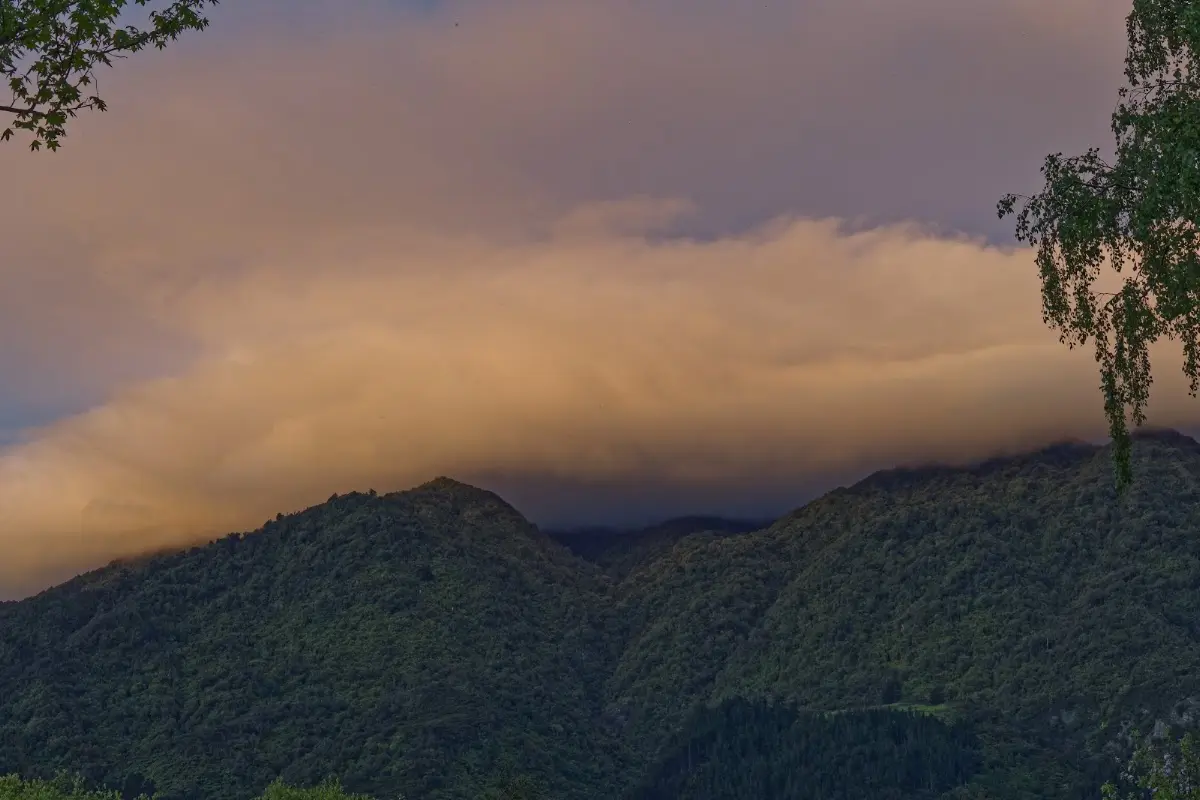
<p class="img-caption">Mount Te Aroha rising over the farmland on the way into town.</p></p>


<div class="w3-row w3-padding-32">
<div class="w3-card-1 w3-border w3-round">
<header class="w3-container w3-theme-green w3-round">

<h4>Te Aroha</h4>
</header>
<div class="w3-container">
<p>
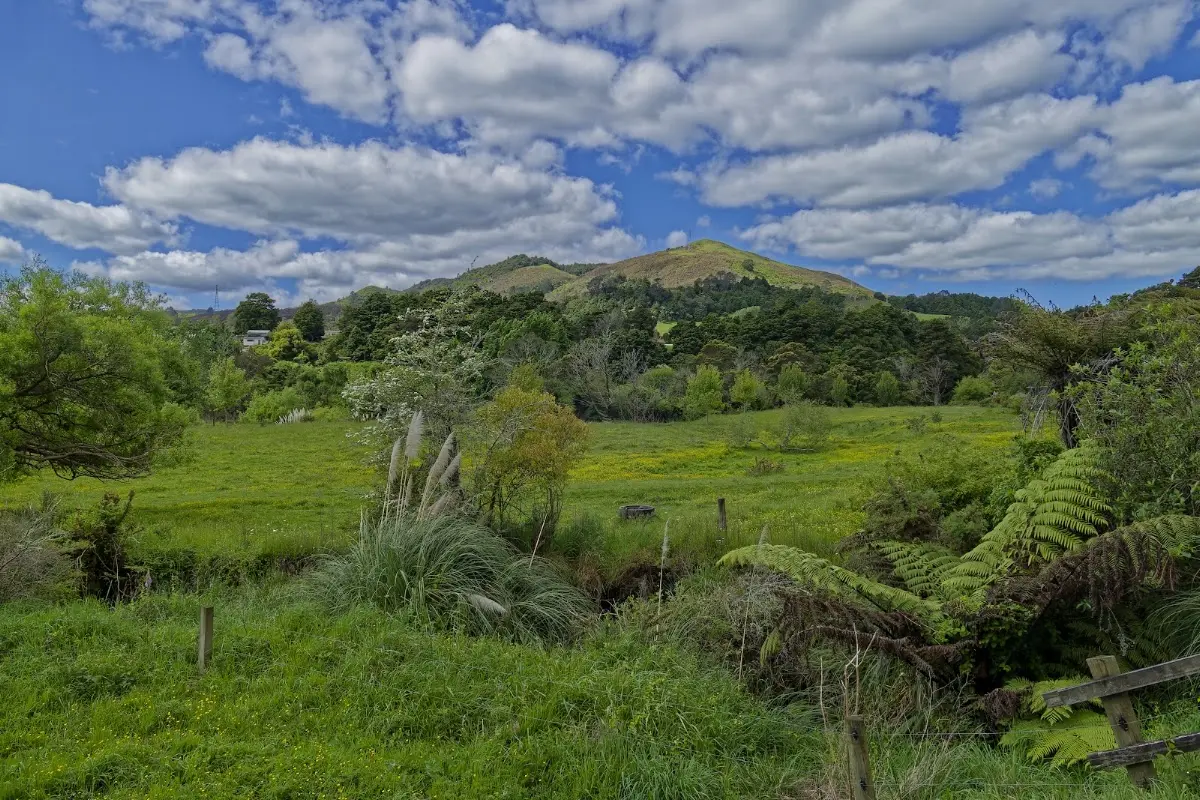
Te Aroha lies at the foot of Mount Te Aroha and grew rapidly in the late 19th century through a mixture of gold, rail access, and spa tourism. Today it is a small Waikato town with a historic feel, known for its hot springs and mountain setting.
</p>
</div>
</div>
</div>

<p><div class="image-container"><img class="modal-image" data-large-src="img_nz05_rotorua/20151102_193824_large.webp" src="img_nz05_rotorua/20151102_193824.webp"/></div></p>

<p><div class="image-container"><img class="modal-image" data-large-src="img_nz05_rotorua/20151102_193906_large.webp" src="img_nz05_rotorua/20151102_193906.webp"/></div>
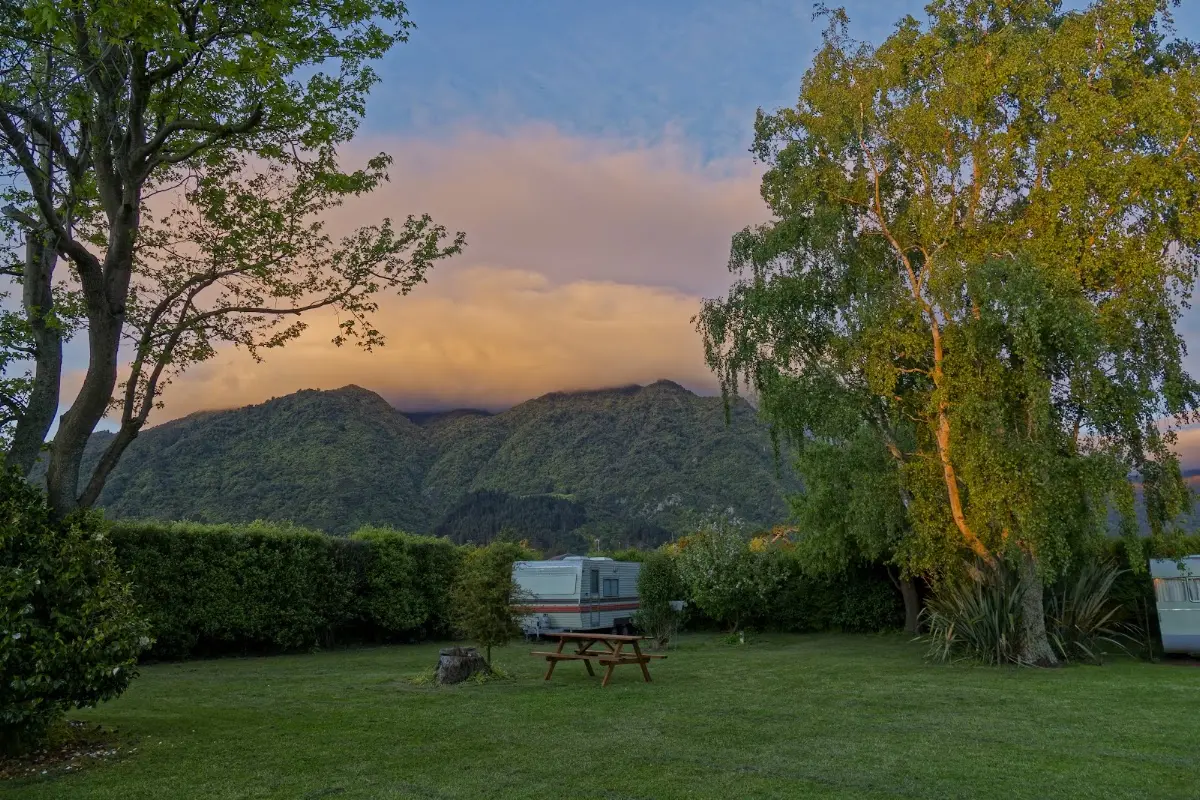
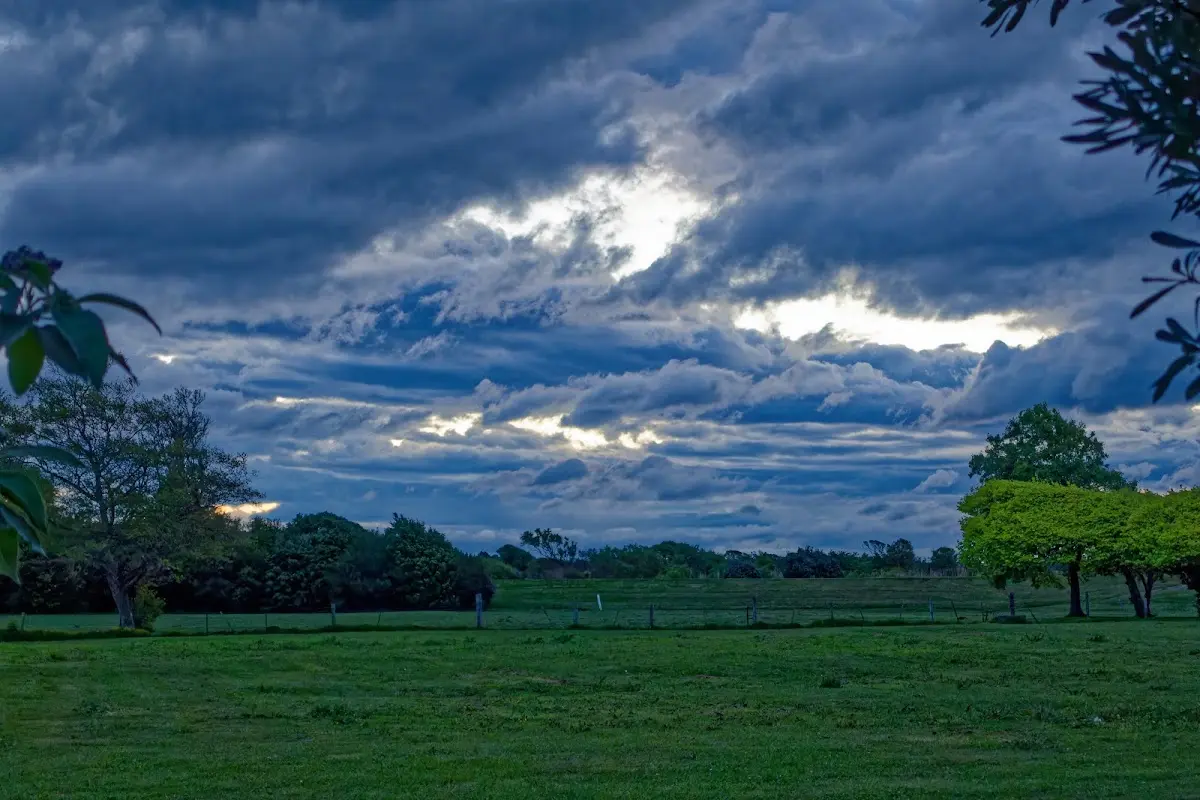
<p class="img-caption">An unusually dramatic sky over the campsite at Te Aroha that evening.</p></p>

<p><div class="image-container"><img class="modal-image" data-large-src="img_nz05_rotorua/20151102_194040_large.webp" src="img_nz05_rotorua/20151102_194040.webp"/></div></p>

<div class="w3-row w3-padding-32">
<b>Tuesday, November 3 2015</b>
<p>
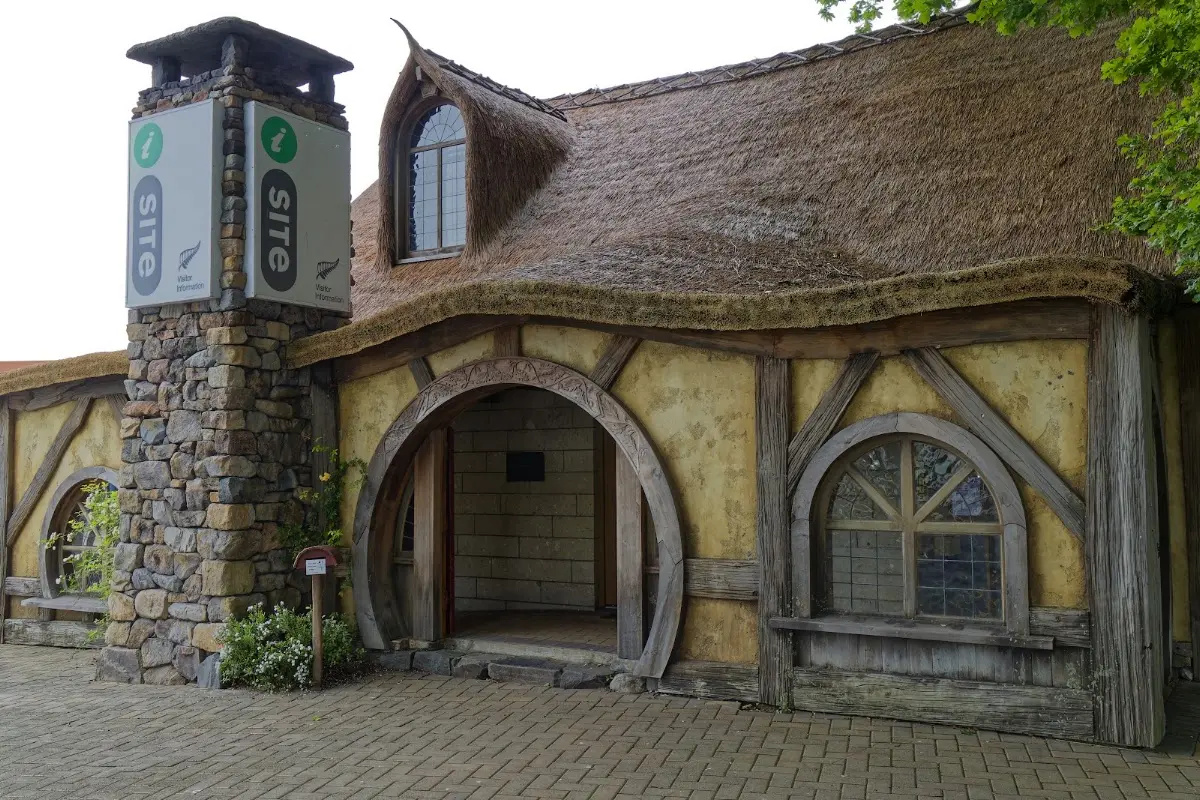
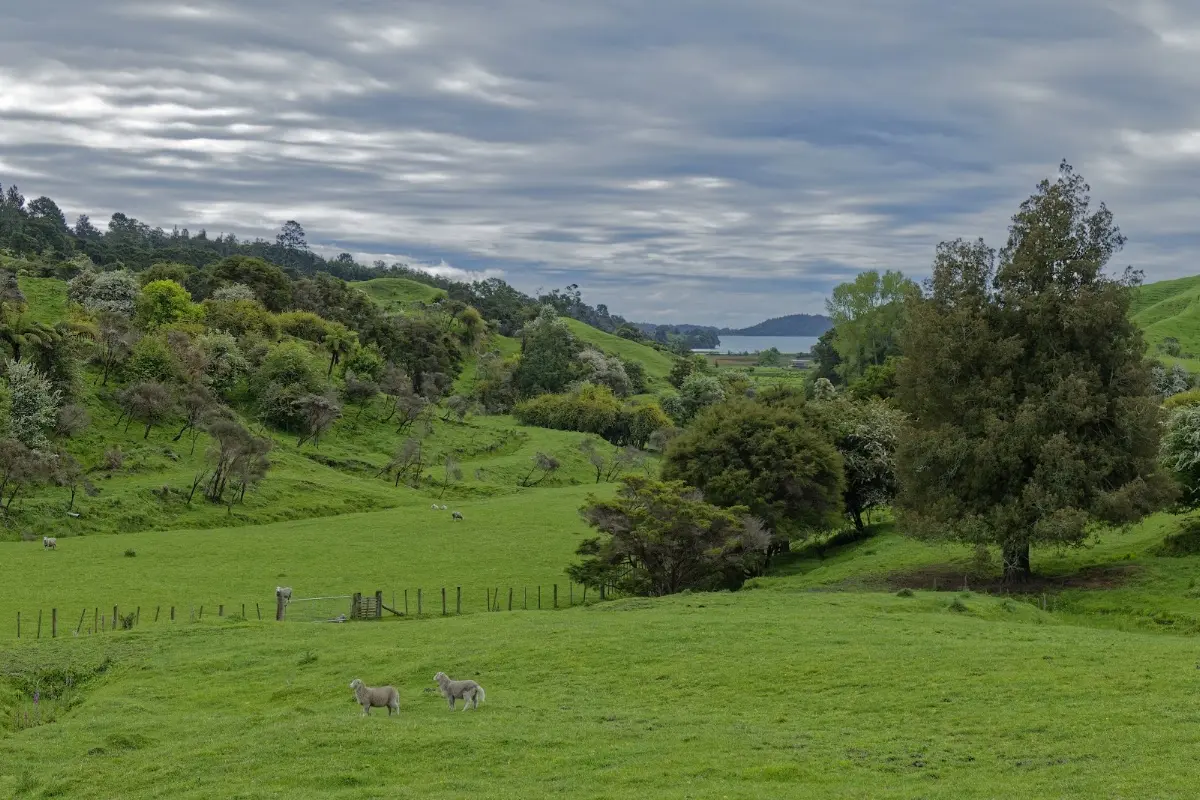
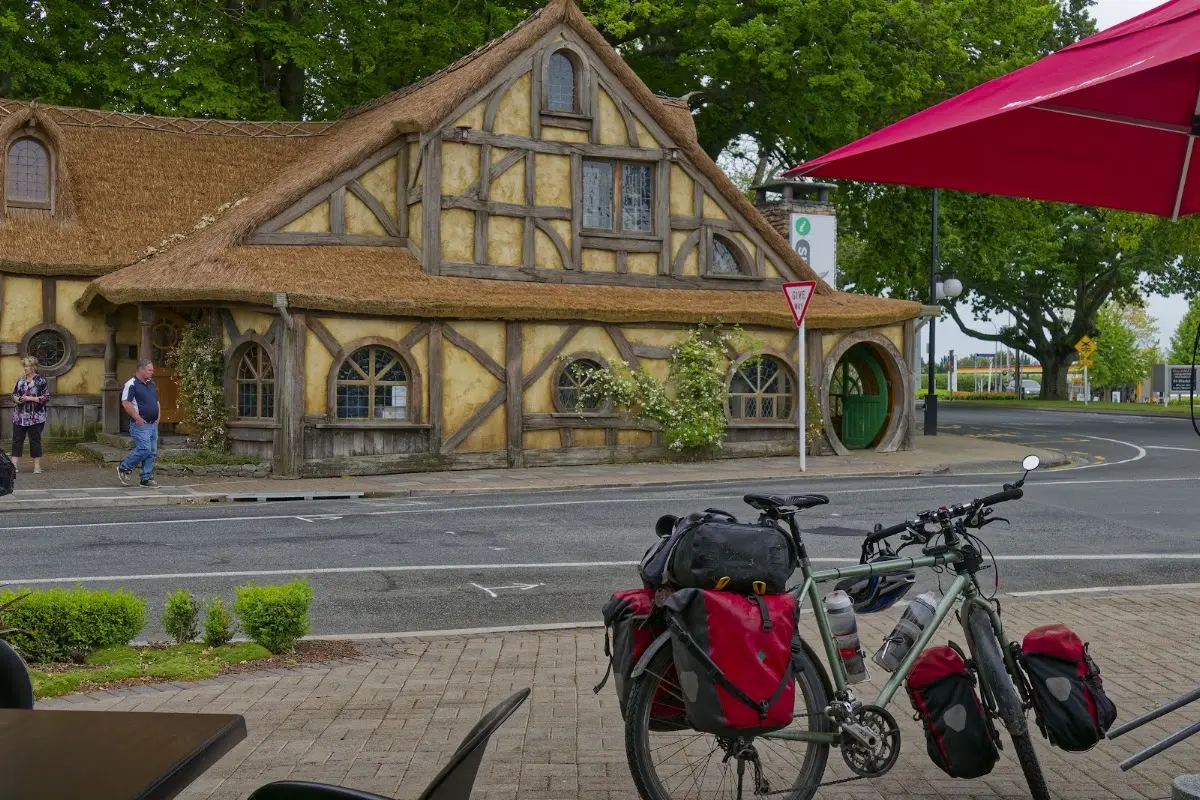
Through Matamata today, with Hobbiton on the way and coffee more or less opposite a Hobbit house. There was some Wi-Fi there too. The weather was cloudy with a few drops of rain, so I skipped the Te Waihou Blue Springs and instead climbed about 560 metres on the way to Rotorua.
The campground at Holdens Bay had hot pools and a swimming pool, which was a pleasant reward at the end of the day. Today: 112 km in 5 hours 20 minutes.</p>
</div>


<p><div class="image-container"><img class="modal-image" data-large-src="img_nz05_rotorua/20151103_094318_large.webp" src="img_nz05_rotorua/20151103_094318.webp"/></div></p>

<p><div class="image-container"><img class="modal-image" data-large-src="img_nz05_rotorua/20151103_094329_large.webp" src="img_nz05_rotorua/20151103_094329.webp"/></div>
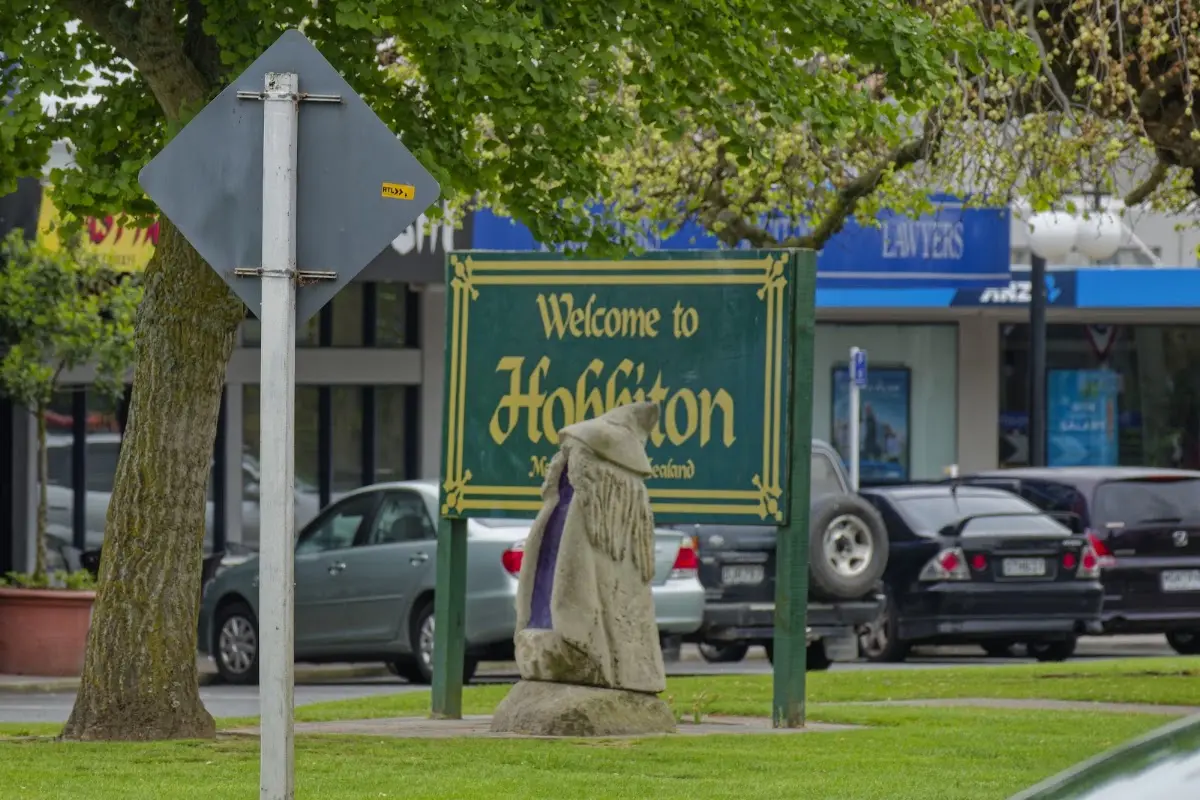
<p class="img-caption">Matamata makes no secret of its second identity.</p></p>


<div class="w3-row w3-padding-32">
<div class="w3-card-1 w3-border w3-round">
<header class="w3-container w3-theme-green w3-round">

<h4>Matamata</h4>
</header>
<div class="w3-container">
<p>
Matamata is a farming town in the Waikato, but for many visitors it is now above all associated with Hobbiton, the film set created for The Lord of the Rings and The Hobbit. The surrounding green hills turned out to be ideal for Peter Jackson's version of the Shire, and the site has since become one of New Zealand's best-known film-related attractions.
</p>
</div>
</div>
</div>

<p><div class="image-container"><img class="modal-image" data-large-src="img_nz05_rotorua/20151103_095337_large.webp" src="img_nz05_rotorua/20151103_095337.webp"/></div>
<p class="img-caption">Coffee, more or less opposite a Hobbit house, exactly as promised.</p></p>

<p><div class="image-container"><img class="modal-image" data-large-src="img_nz05_rotorua/20151103_135335_large.webp" src="img_nz05_rotorua/20151103_135335.webp"/></div></p>

<p><div class="image-container"><img class="modal-image" data-large-src="img_nz05_rotorua/20151103_135514_large.webp" src="img_nz05_rotorua/20151103_135514.webp"/></div>
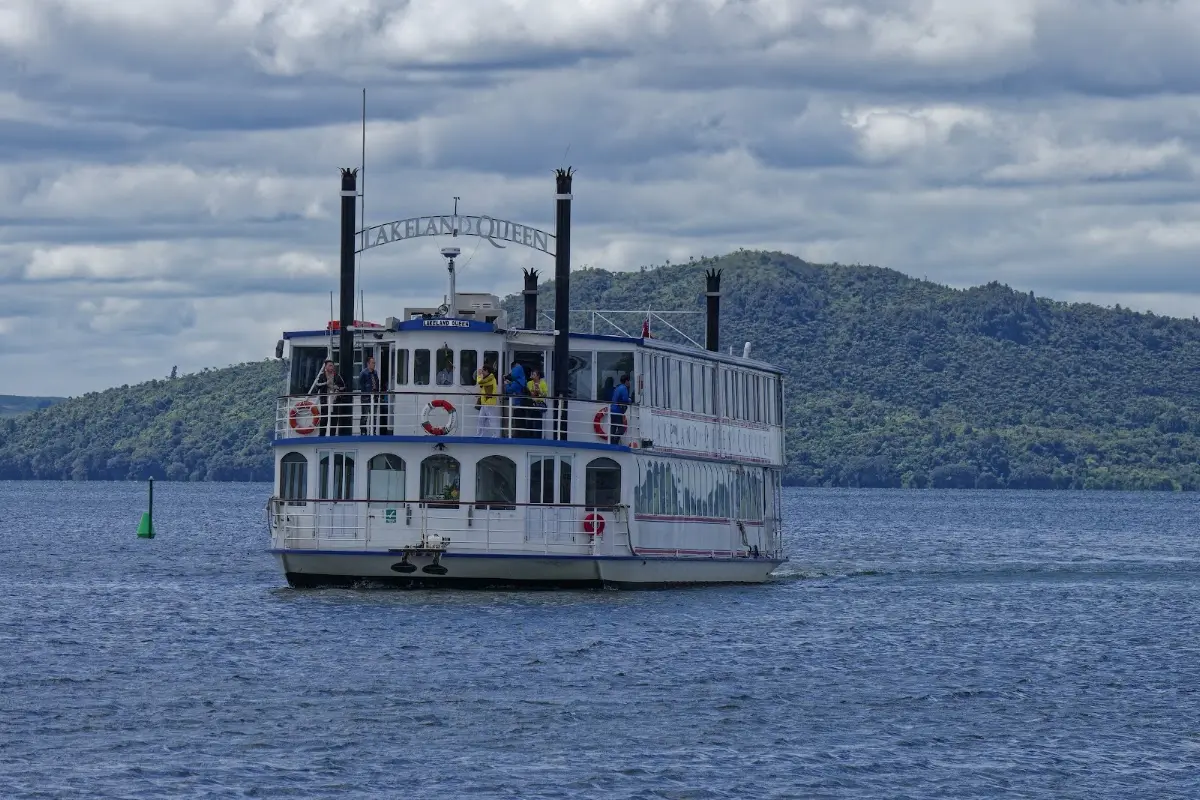
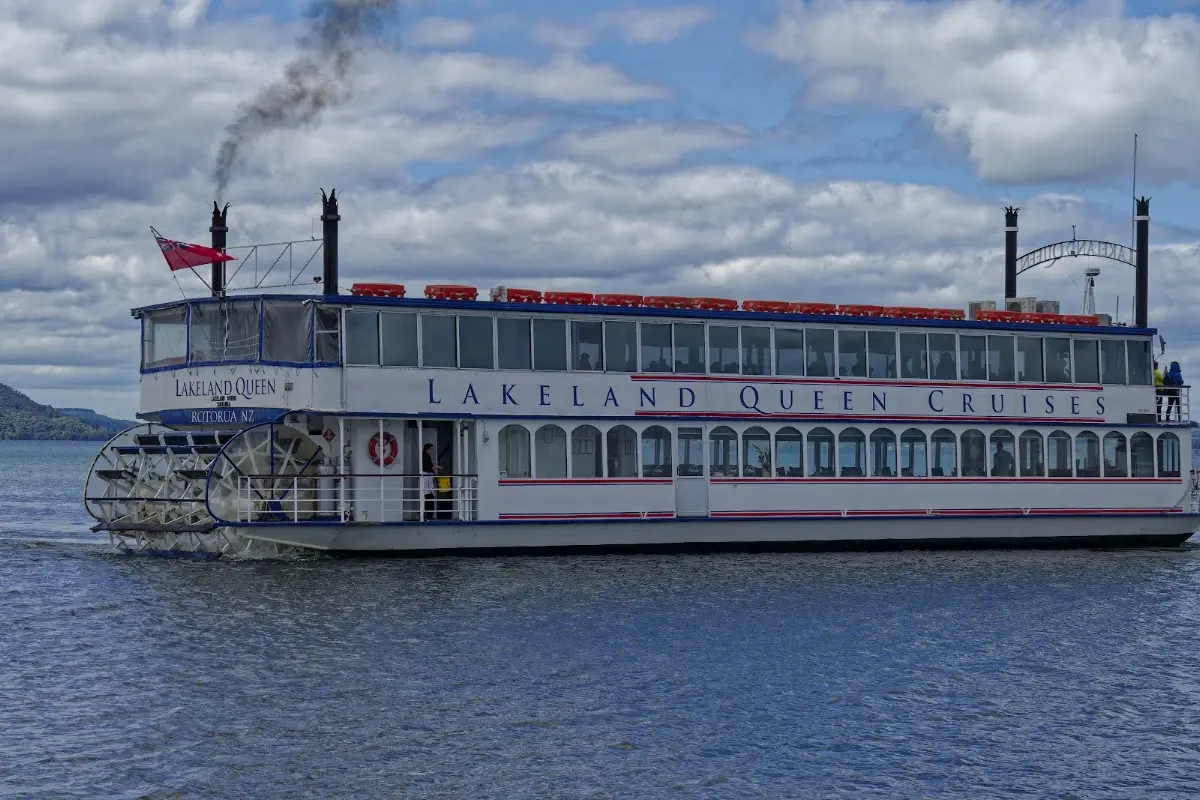
<p class="img-caption">The Lakeland Queen, Rotorua's paddle steamer, out on the lake.</p></p>

<p><div class="image-container"><img class="modal-image" data-large-src="img_nz05_rotorua/20151103_135656_large.webp" src="img_nz05_rotorua/20151103_135656.webp"/></div></p>

<p><div class="image-container"><img class="modal-image" data-large-src="img_nz05_rotorua/20151103_142113_large.webp" src="img_nz05_rotorua/20151103_142113.webp"/></div></p>

<p><div class="image-container"><img class="modal-image" data-large-src="img_nz05_rotorua/20151103_142127_large.webp" src="img_nz05_rotorua/20151103_142127.webp"/></div></p>


<div class="w3-row w3-padding-32">
<div class="w3-card-1 w3-border w3-round">
<header class="w3-container w3-theme-green w3-round">

<h4>Rotorua</h4>
</header>
<div class="w3-container">
<p>
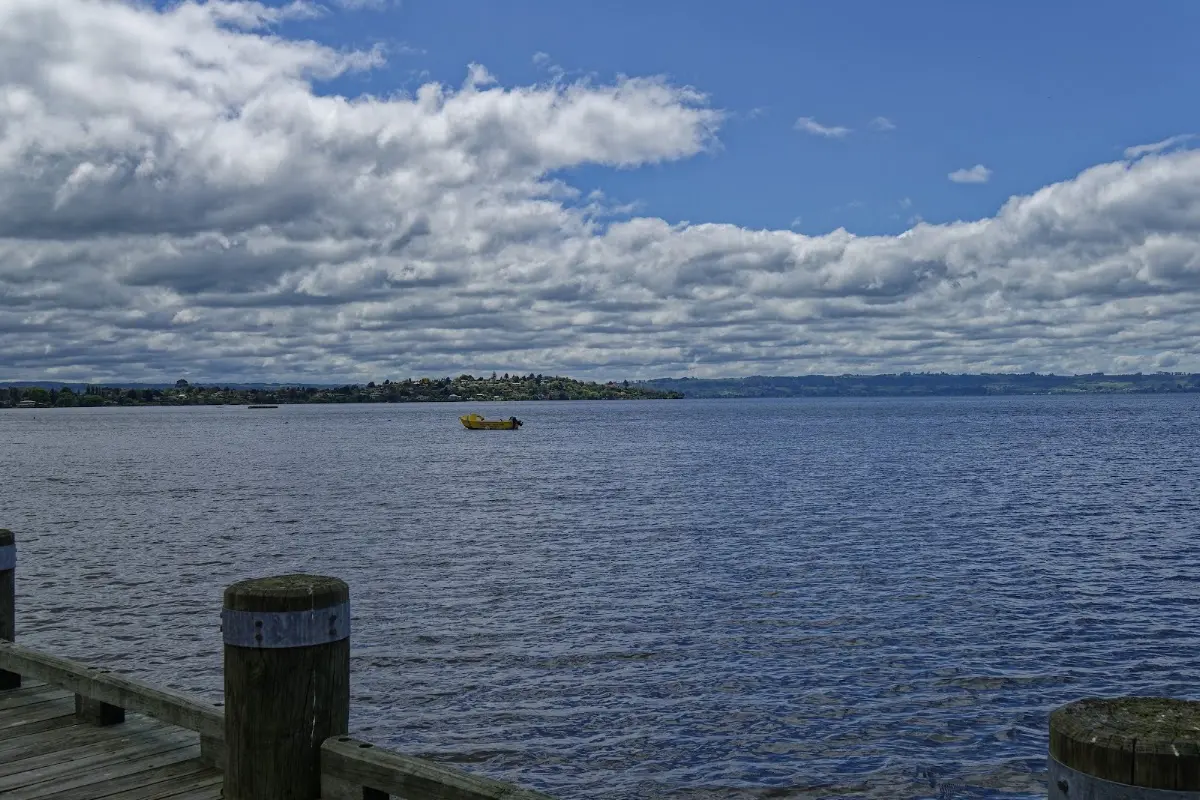
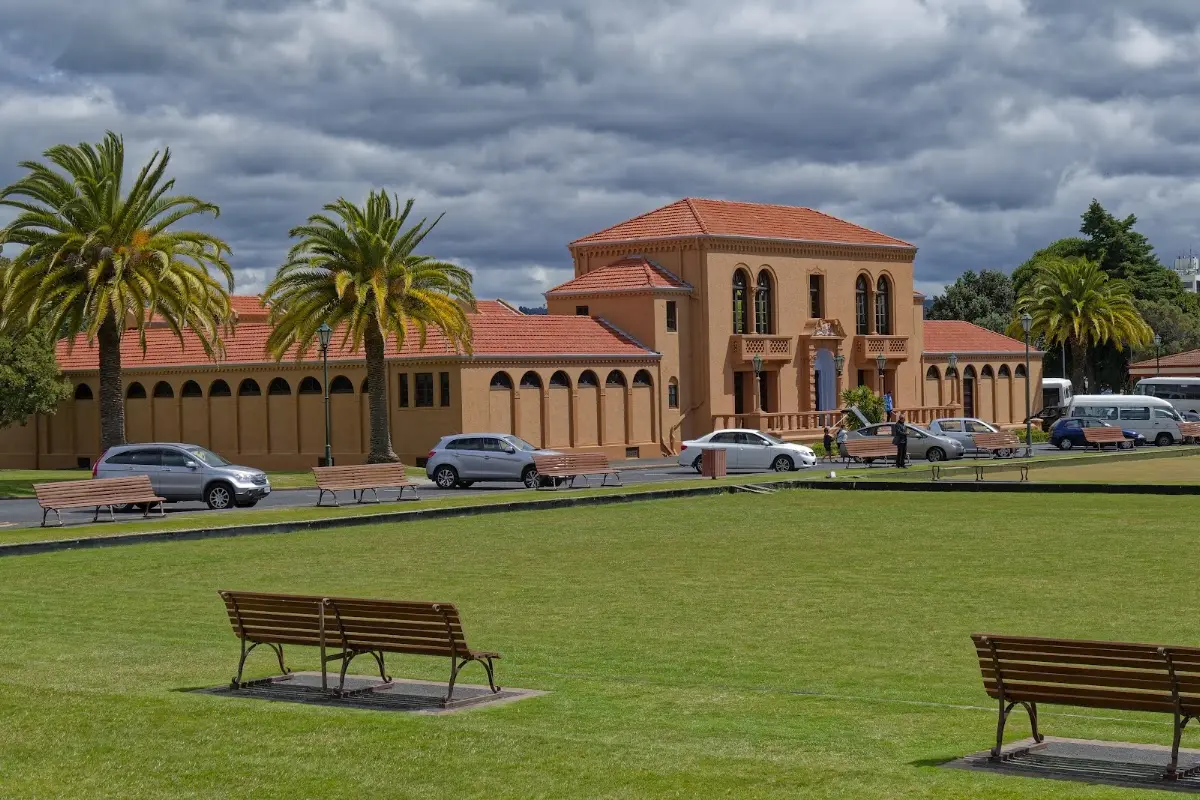
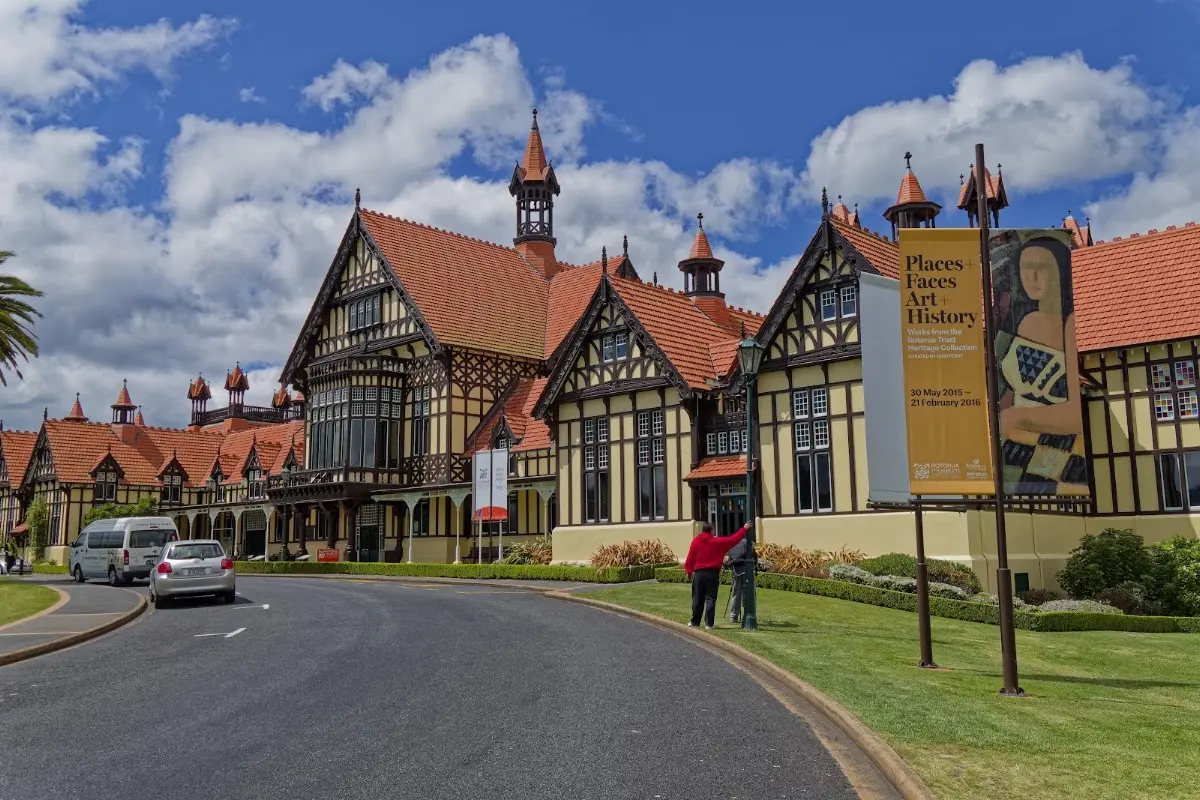
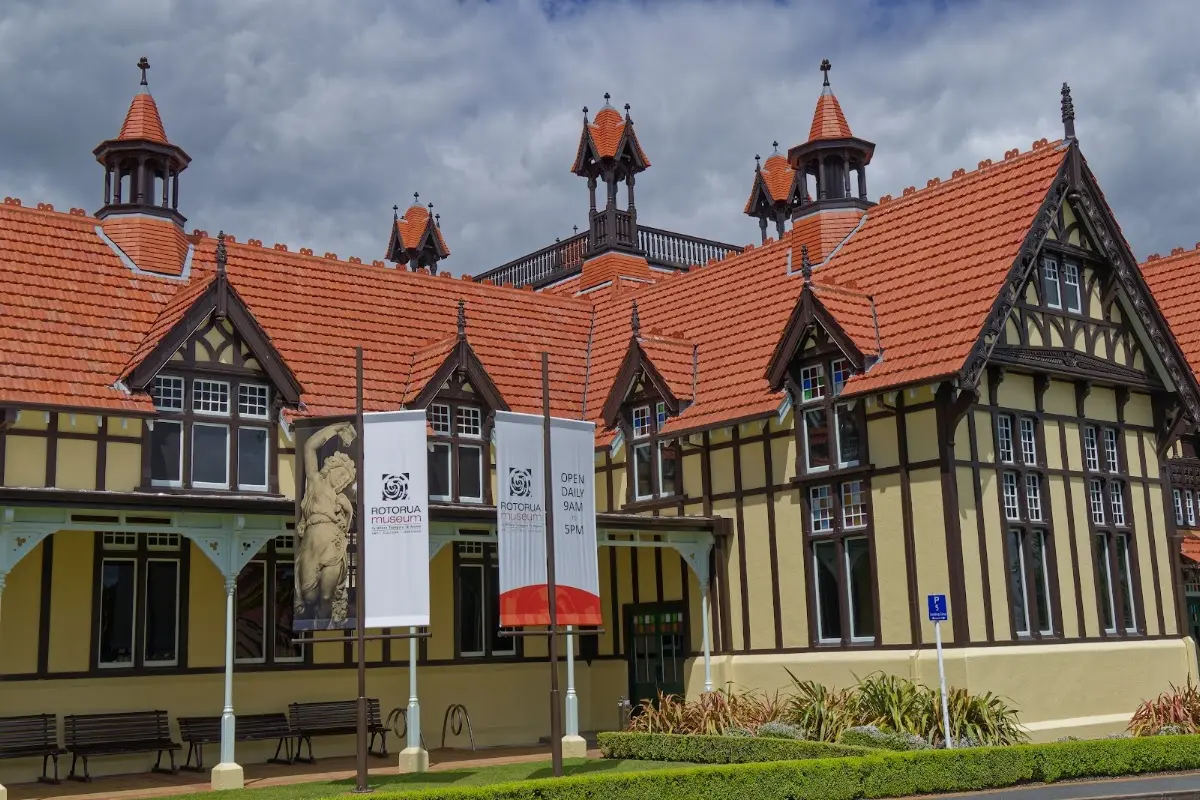
Rotorua is one of New Zealand's most distinctive towns, known for its geothermal activity and strong Māori cultural presence. Built beside Lake Rotorua, it is famous for geysers, mud pools, sulphur smells, and the long history of tourism built around these volcanic features. European development turned it into a spa town in the 19th century, but the area had long been important to Te Arawa Māori, whose presence remains central to Rotorua's identity today.
</p>
</div>
</div>
</div>

<p><div class="image-container"><img class="modal-image" data-large-src="img_nz05_rotorua/20151103_142143_large.webp" src="img_nz05_rotorua/20151103_142143.webp"/></div>
<p class="img-caption">The old Bath House, now the Rotorua Museum — one of the more theatrical buildings in New Zealand.</p></p>

<p><div class="image-container"><img class="modal-image" data-large-src="img_nz05_rotorua/20151103_142354_large.webp" src="img_nz05_rotorua/20151103_142354.webp"/></div></p>

<p><div class="image-container"><img class="modal-image" data-large-src="img_nz05_rotorua/20151103_142404_large.webp" src="img_nz05_rotorua/20151103_142404.webp"/></div></p>

<p><div class="image-container"><img class="modal-image" data-large-src="img_nz05_rotorua/20151103_142457_large.webp" src="img_nz05_rotorua/20151103_142457.webp"/></div>
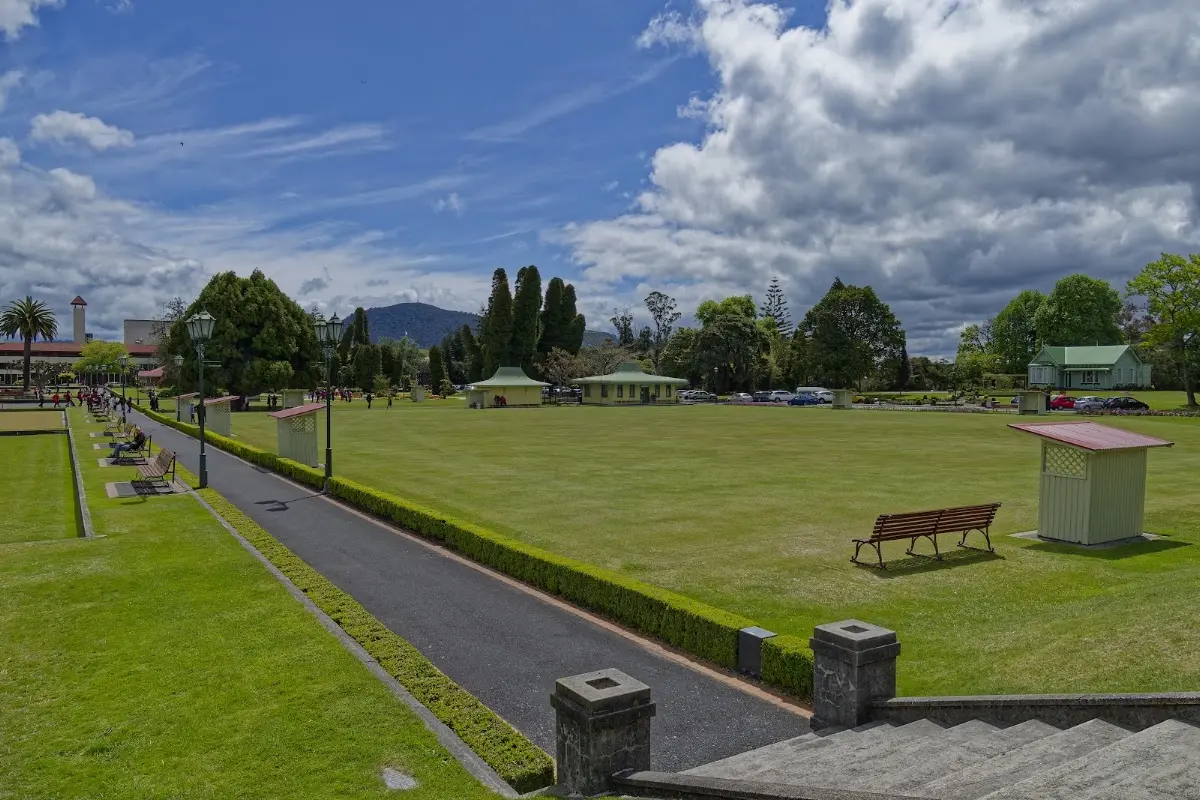
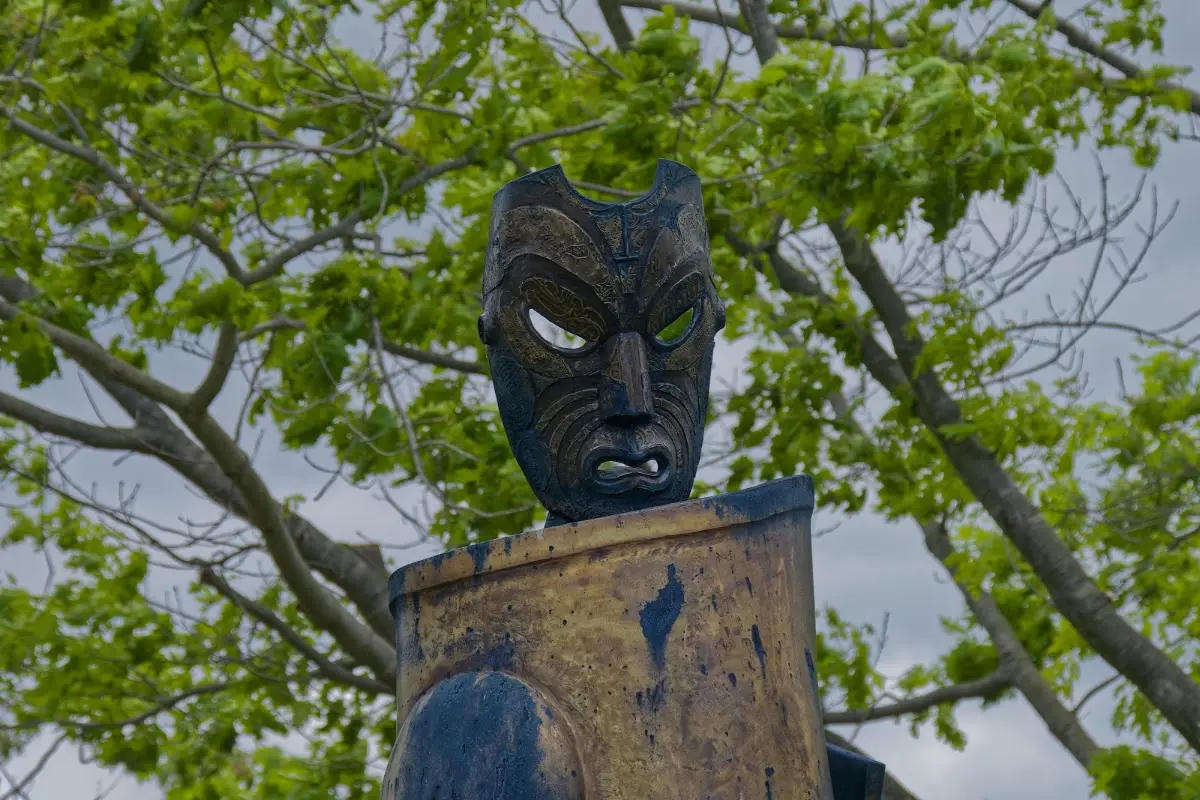
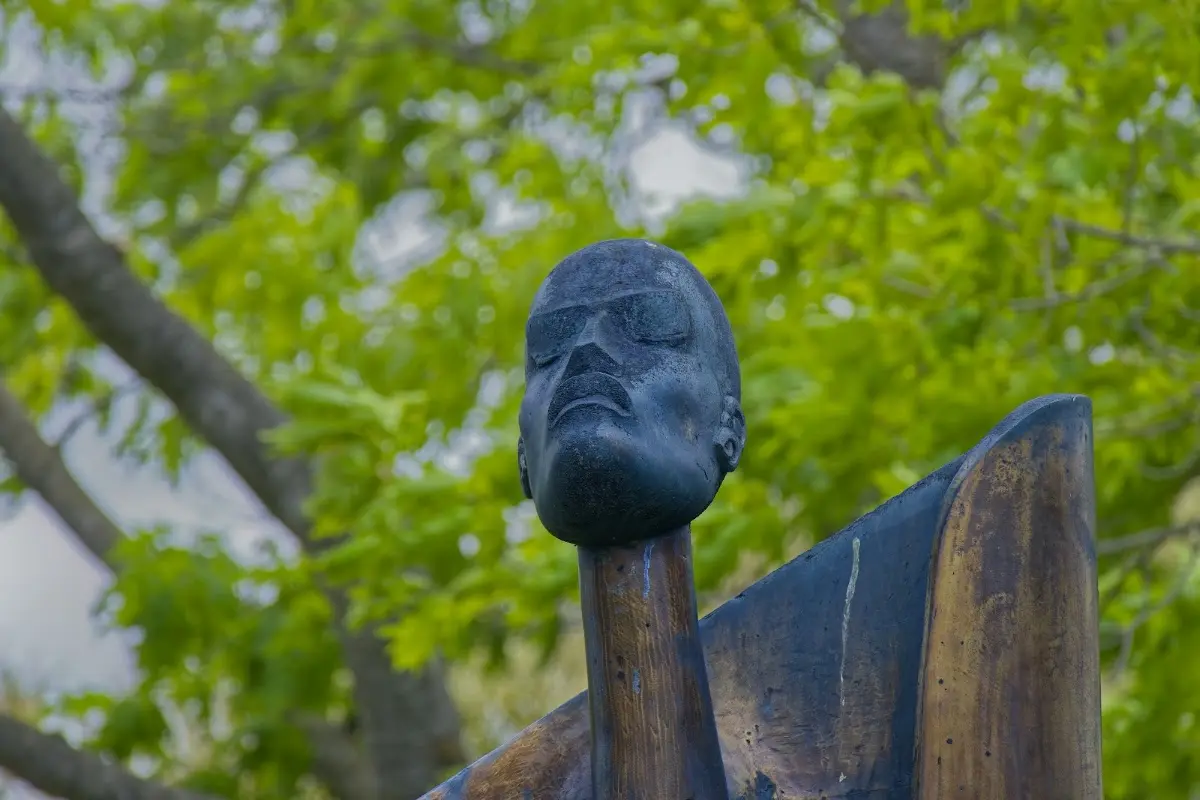
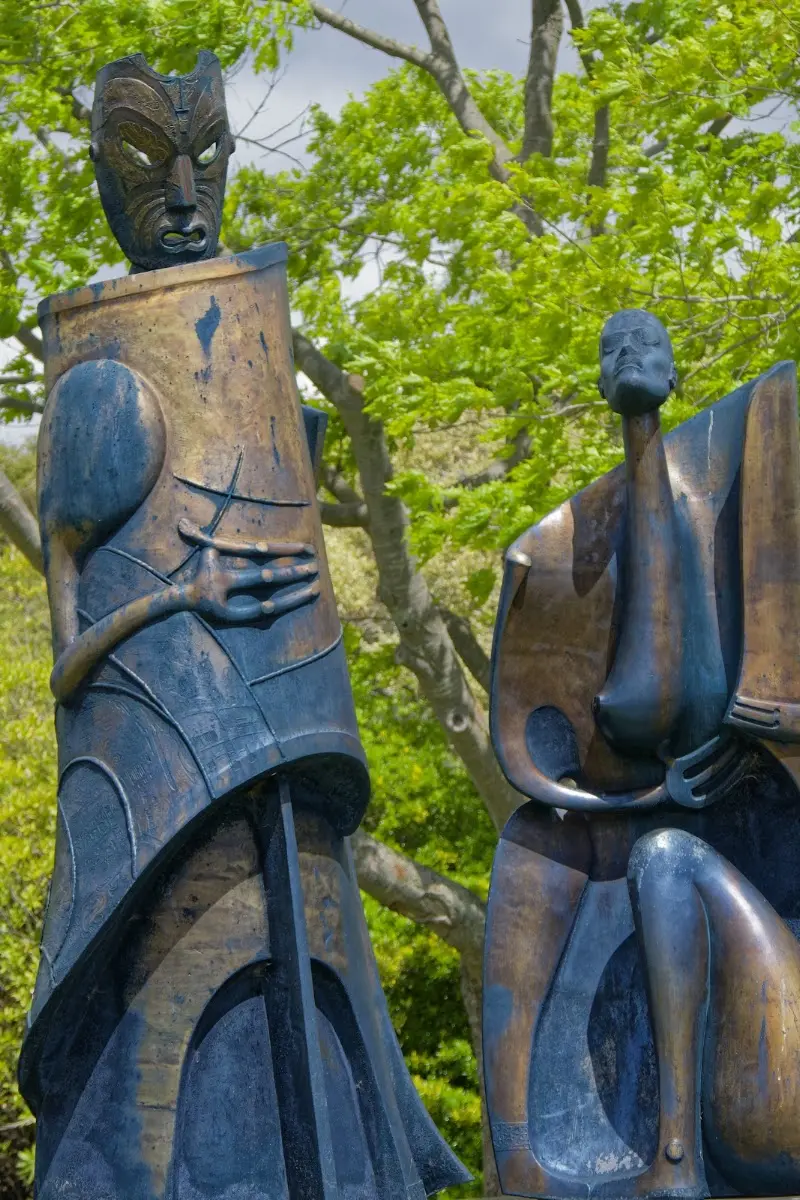
<p class="img-caption">Modern sculpture keeping company with the Government Gardens' more traditional attractions.</p></p>

<p><div class="image-container"><img class="modal-image" data-large-src="img_nz05_rotorua/20151103_142526_large.webp" src="img_nz05_rotorua/20151103_142526.webp"/></div></p>

<p><div class="image-container"><img class="modal-image" data-large-src="img_nz05_rotorua/20151103_183502_large.webp" src="img_nz05_rotorua/20151103_183502.webp"/></div>
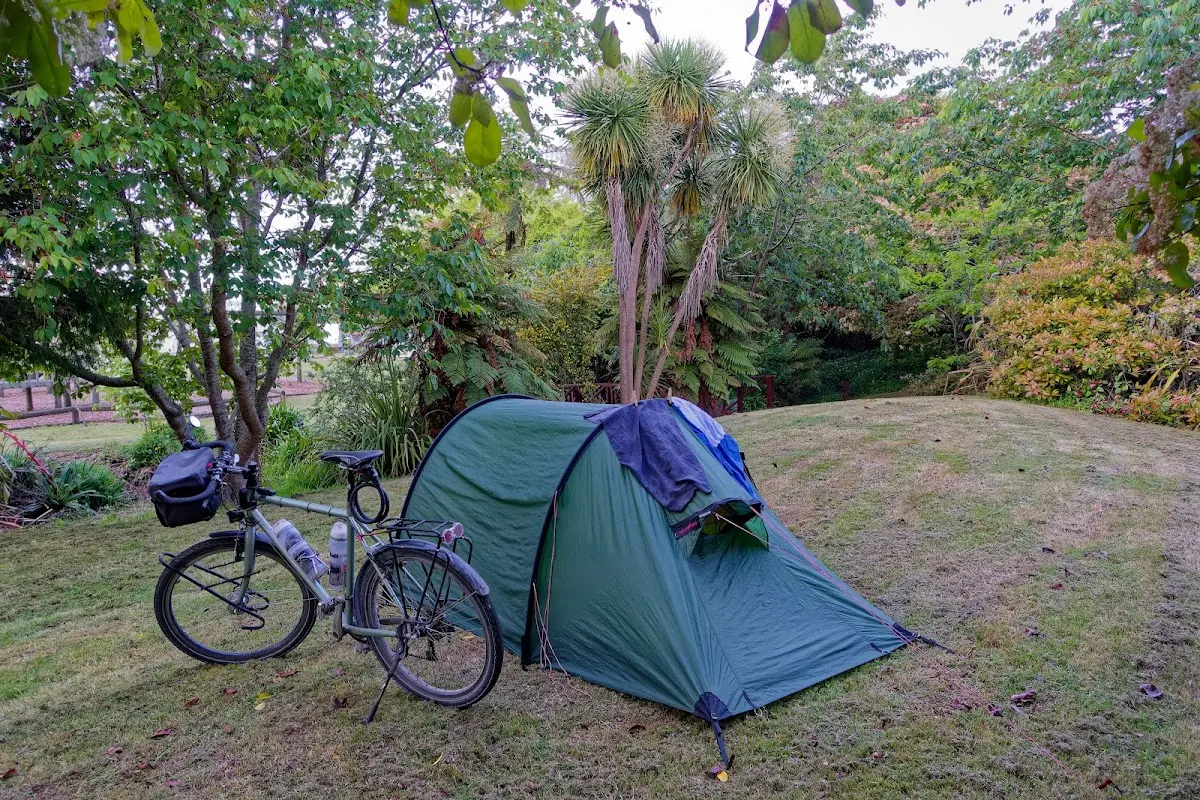
<p class="img-caption">Home for the night at Holdens Bay — hot pools included.</p></p>


<div class="w3-row w3-padding-32">
<b>Wednesday, November 4 2015</b>
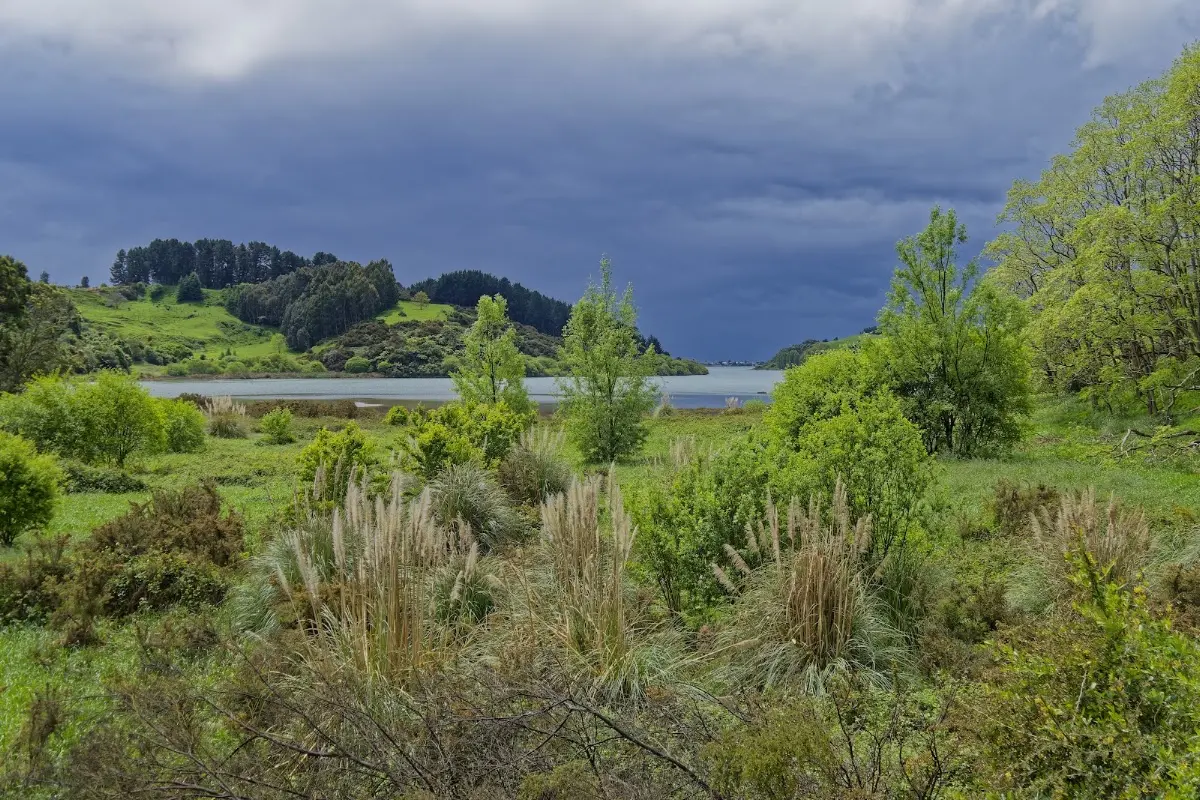
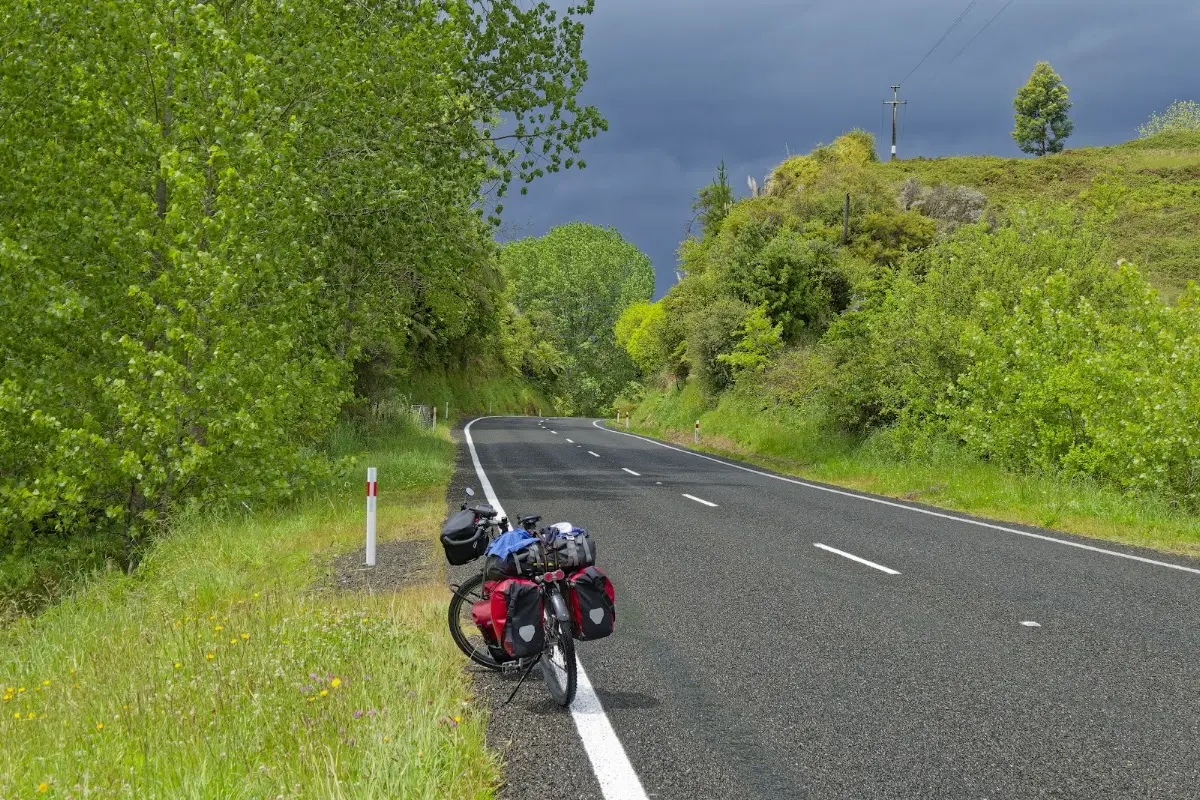
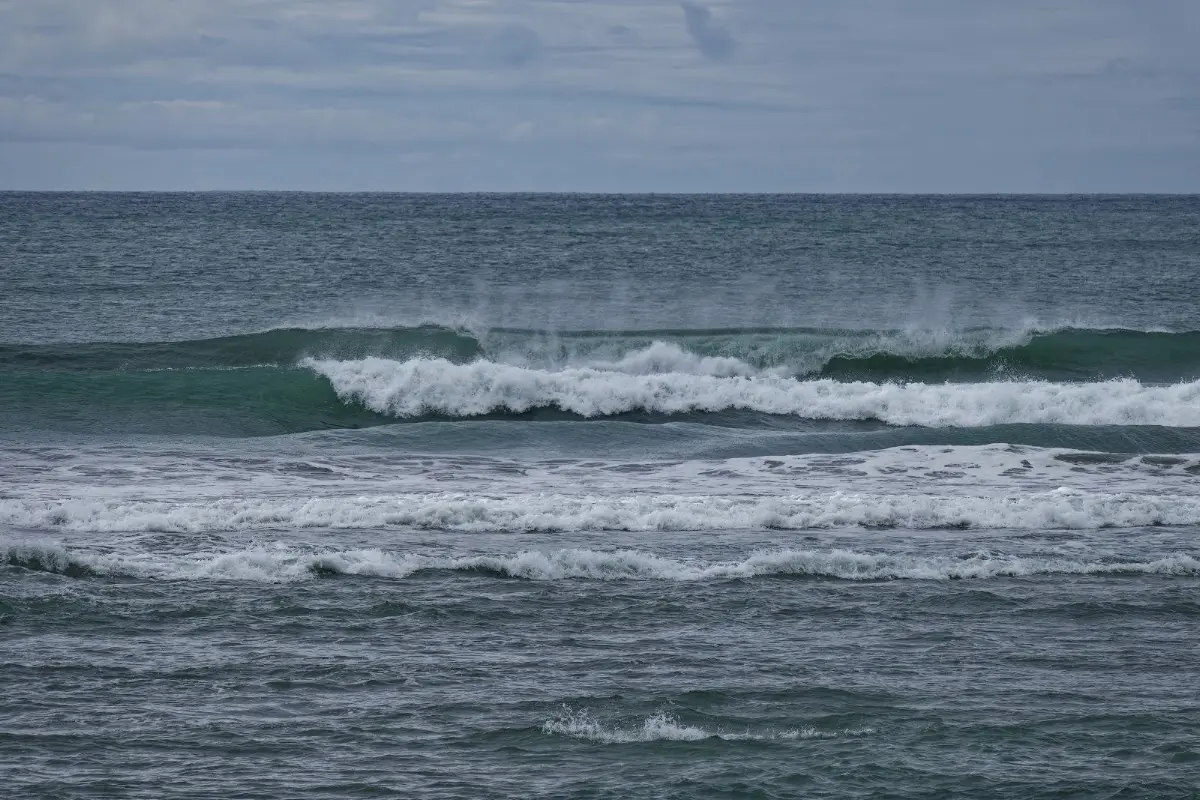
<p>I rode a route I had already done in 2011, this time in pouring rain, past several lakes and on through Awakeri Hot Springs and Whakatāne to Ōpōtiki. Coffee and a sandwich for lunch helped a bit.
The campground was crowded, full of German work-and-travel tourists. I still have not met many touring cyclists — perhaps only five to ten in the last couple of weeks. Today: 135.7 km in 6 hours 37 minutes.</p>
</div>

<p><div class="image-container"><img class="modal-image" data-large-src="img_nz05_rotorua/20151104_134115_large.webp" src="img_nz05_rotorua/20151104_134115.webp"/></div></p>

<p><div class="image-container"><img class="modal-image" data-large-src="img_nz05_rotorua/20151104_134148_large.webp" src="img_nz05_rotorua/20151104_134148.webp"/></div>
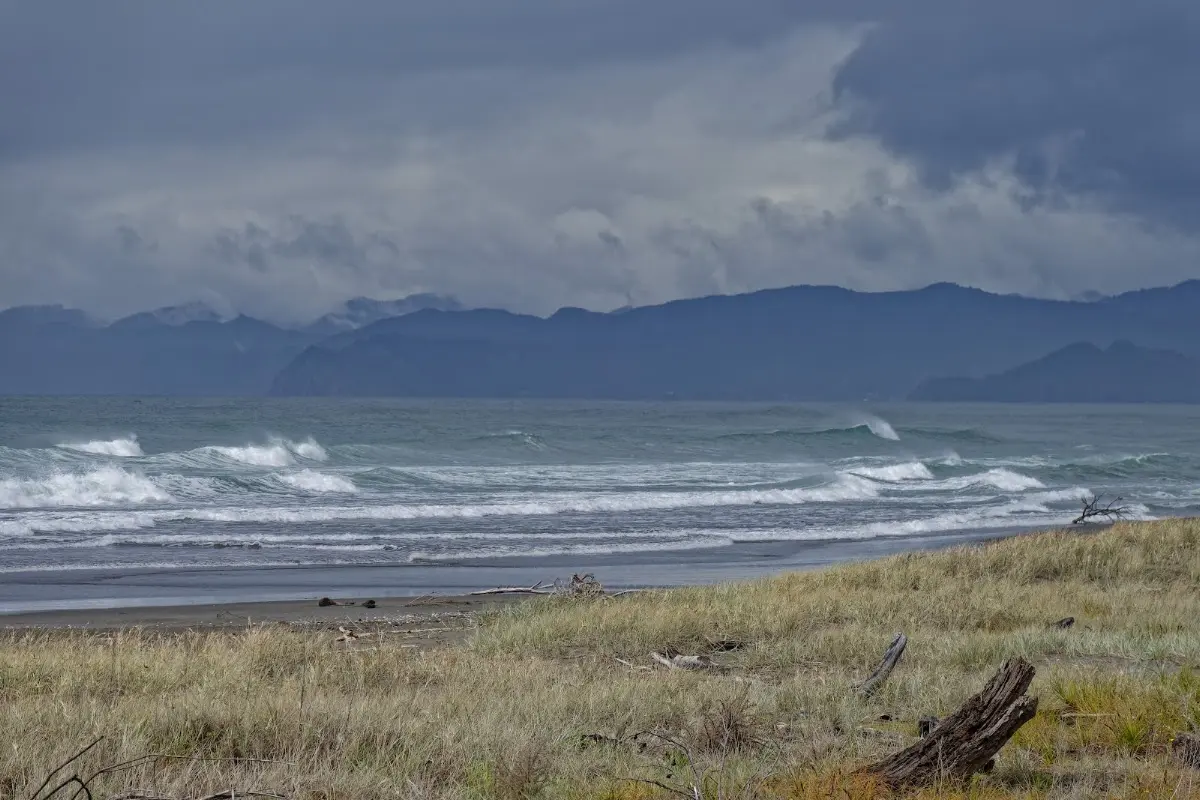
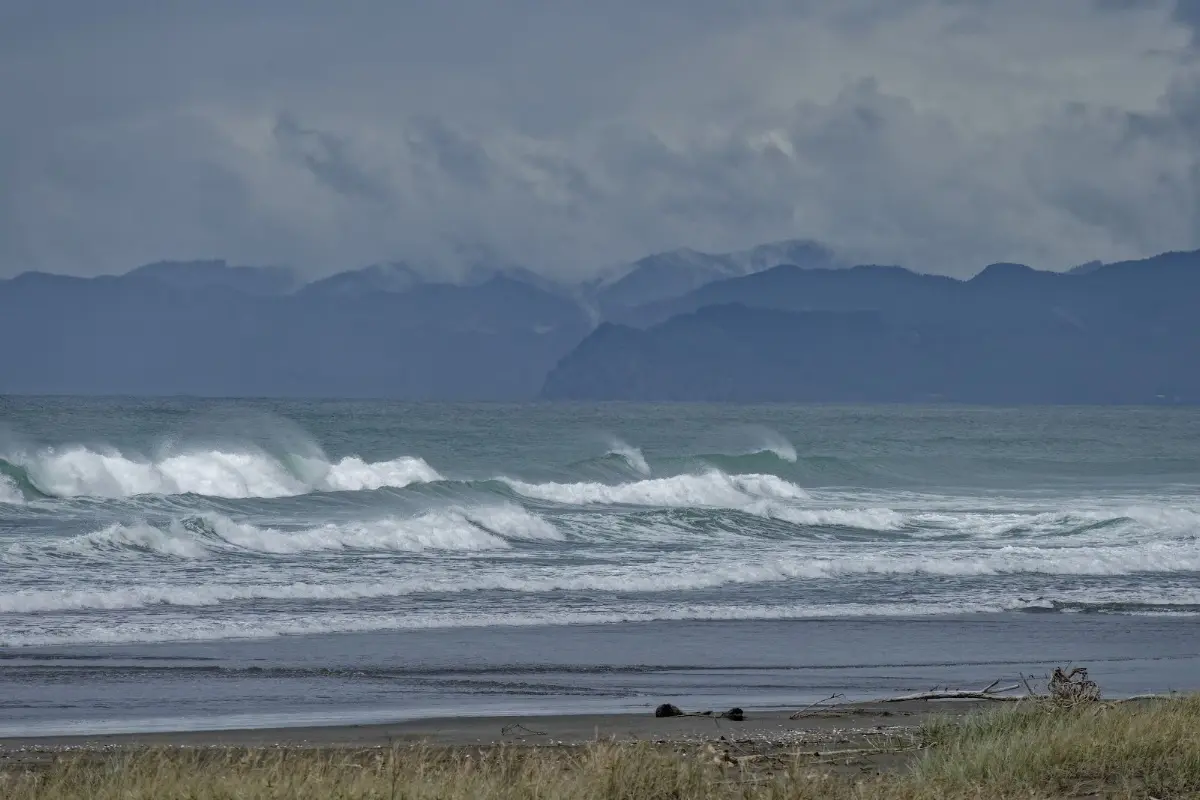
<p class="img-caption">Pouring rain today, or about to — heavy cloud building over the coast.</p></p>

<p><div class="image-container"><img class="modal-image" data-large-src="img_nz05_rotorua/20151104_134936_large.webp" src="img_nz05_rotorua/20151104_134936.webp"/></div></p>

<p><div class="image-container"><img class="modal-image" data-large-src="img_nz05_rotorua/20151104_141420_large.webp" src="img_nz05_rotorua/20151104_141420.webp"/></div></p>

<p><div class="image-container"><img class="modal-image" data-large-src="img_nz05_rotorua/20151104_141427_large.webp" src="img_nz05_rotorua/20151104_141427.webp"/></div></p>

<div class="w3-row w3-padding-32">
<div class="w3-card-1 w3-border w3-round">
<header class="w3-container w3-theme-green w3-round">

<h4>Whakatāne</h4>
</header>
<div class="w3-container">
<p>
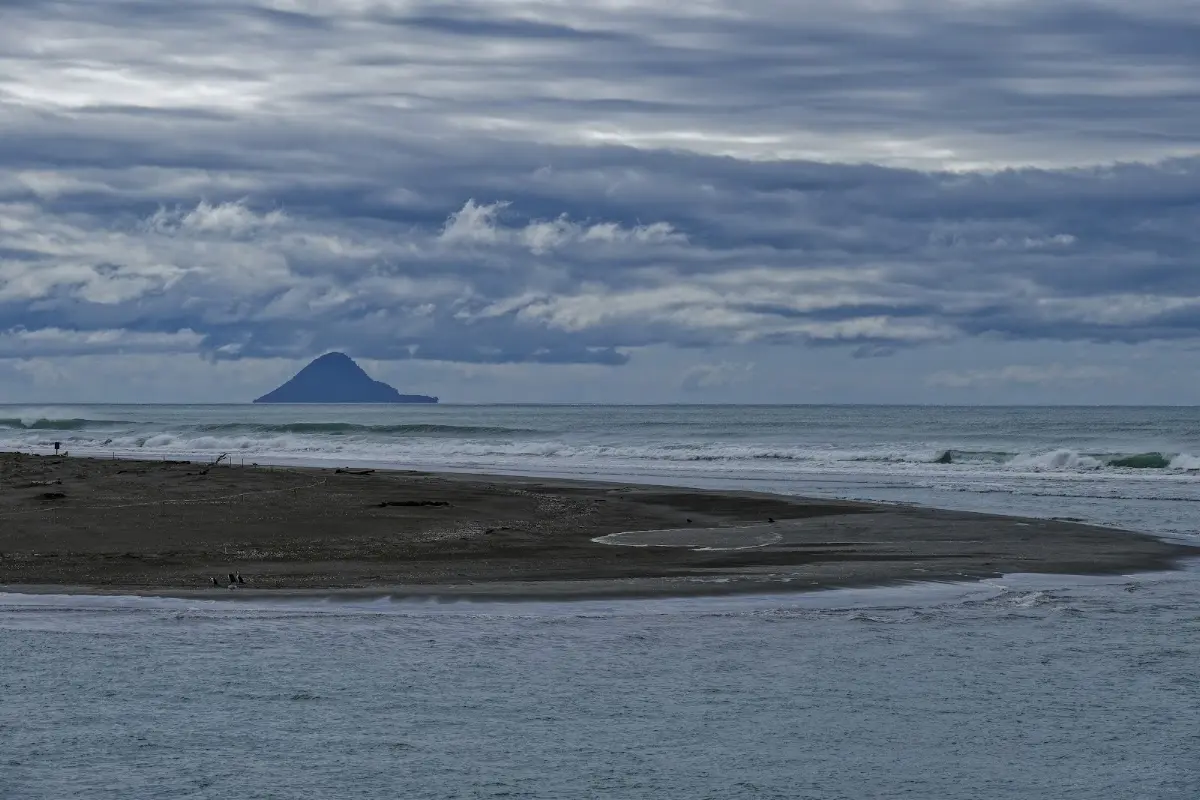
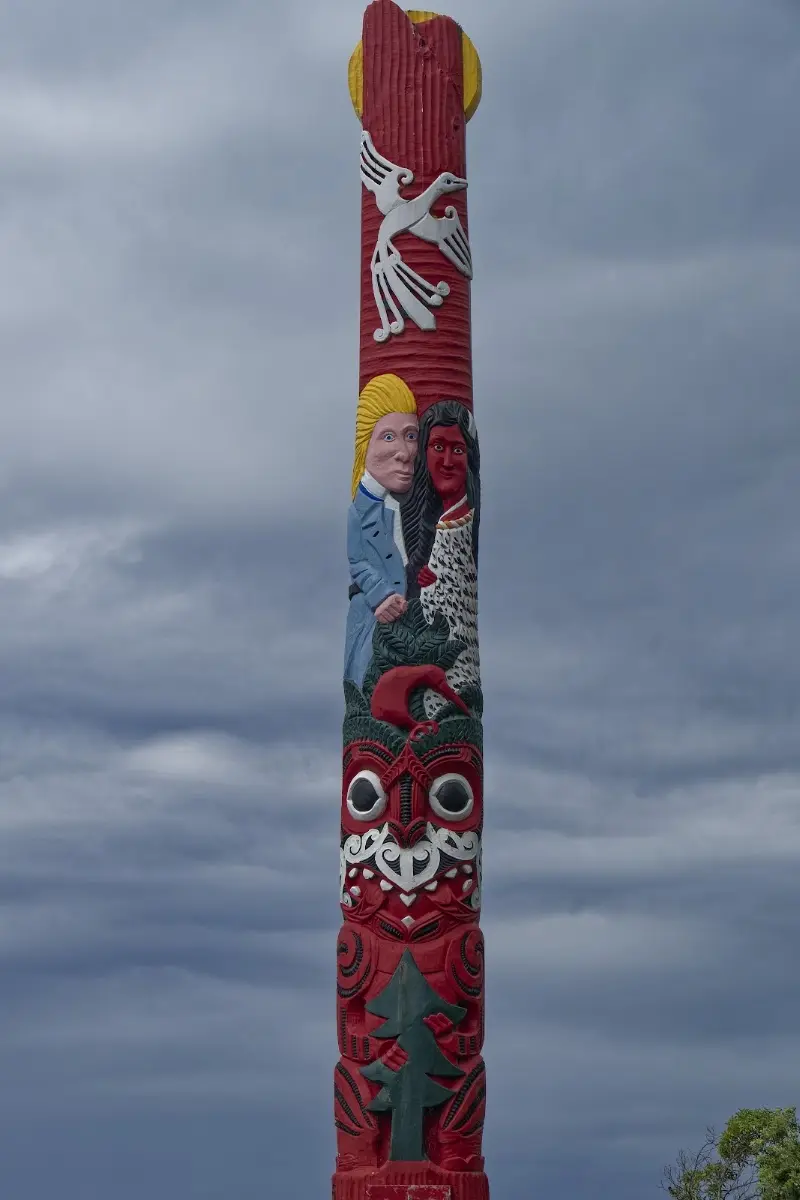
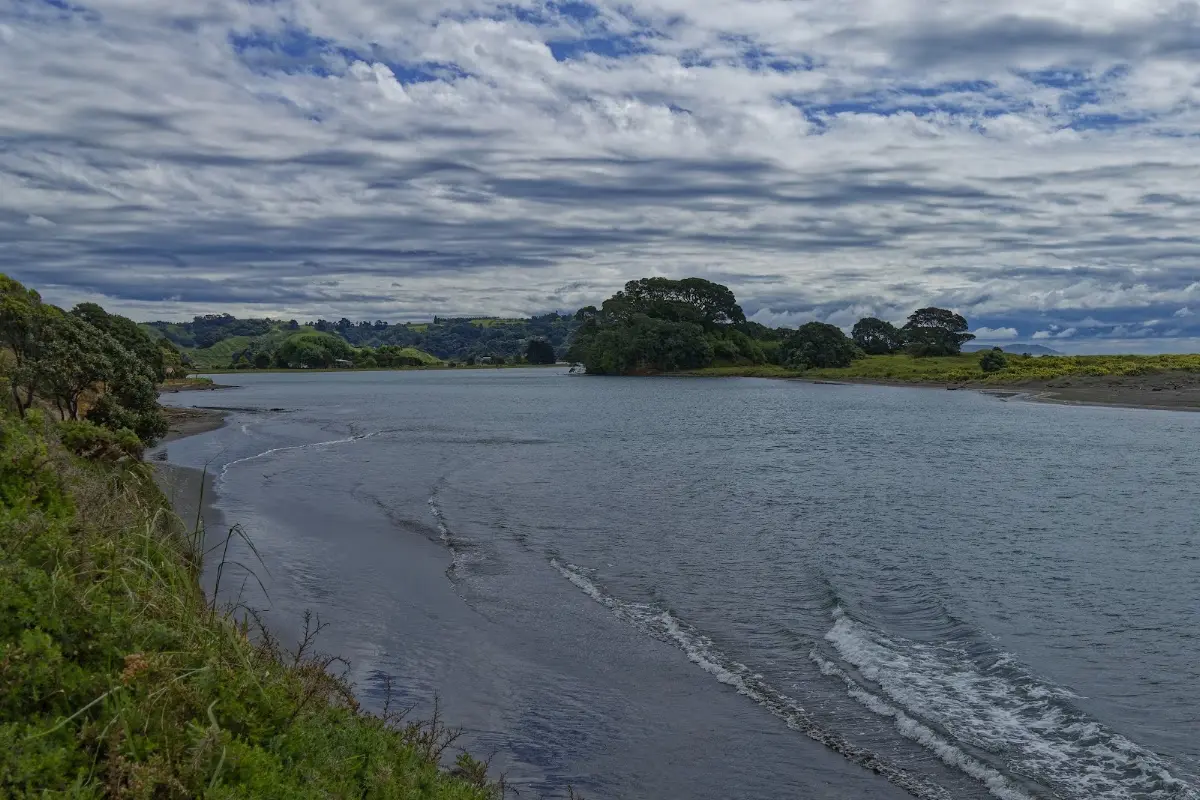
Whakatāne lies at the mouth of the Whakatāne River and is one of the main towns of the Bay of Plenty. Its Māori history is strong and visible, especially in the tradition of Wairaka, whose name is closely linked to the town. Today it serves as a regional centre and as a gateway to the eastern Bay of Plenty
</p>
</div>
</div>
</div>

<p><div class="image-container"><img class="modal-image" data-large-src="img_nz05_rotorua/20151104_144012_large.webp" src="img_nz05_rotorua/20151104_144012.webp"/></div>
<p class="img-caption">The Whakatāne River meeting the sea.</p></p>

<p><div class="image-container"><img class="modal-image" data-large-src="img_nz05_rotorua/20151104_144029_large.webp" src="img_nz05_rotorua/20151104_144029.webp"/></div>
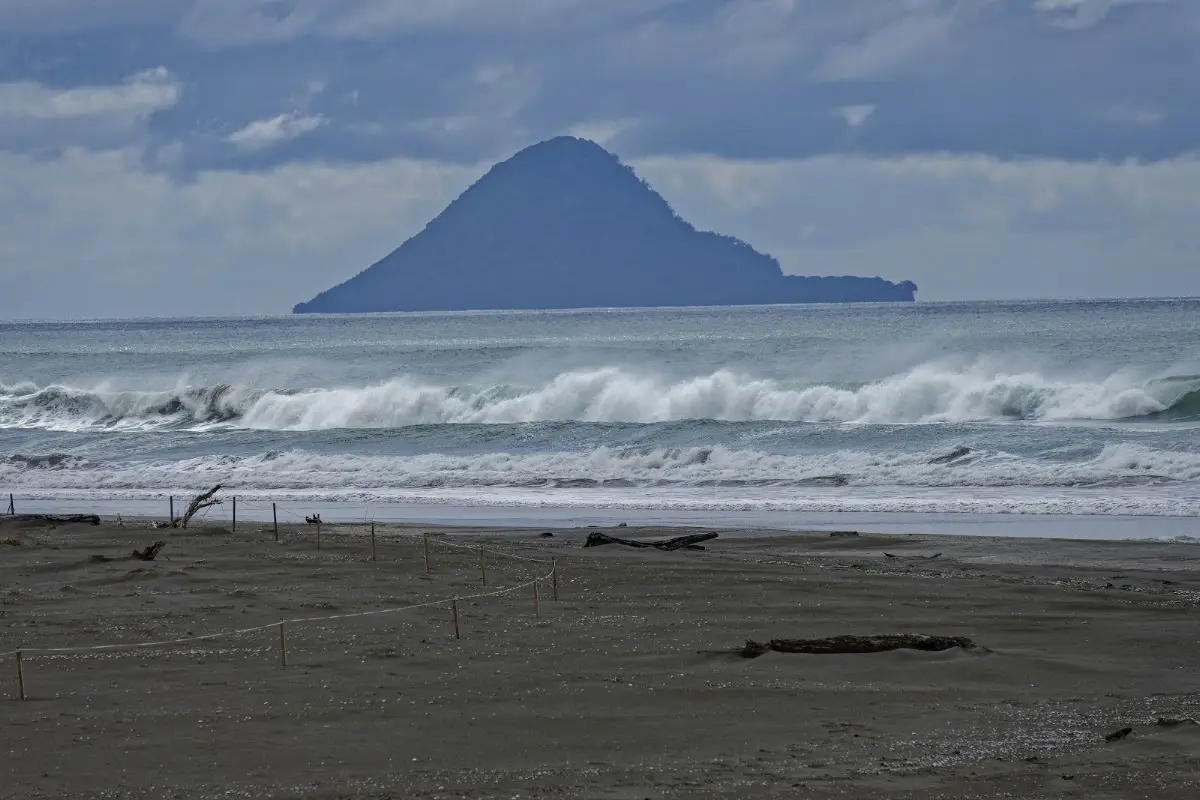
<p class="img-caption">Moutohora — Whale Island — sitting offshore, its rounded volcanic outline hard to mistake for anything else.</p></p>

<p><div class="image-container"><img class="modal-image" data-large-src="img_nz05_rotorua/20151104_144040_large.webp" src="img_nz05_rotorua/20151104_144040.webp"/></div></p>

<p><div class="image-container"><img class="modal-image" data-large-src="img_nz05_rotorua/20151104_144049_large.webp" src="img_nz05_rotorua/20151104_144049.webp"/></div></p>

<p><div class="image-container"><img class="modal-image" data-large-src="img_nz05_rotorua/20151104_144534_large.webp" src="img_nz05_rotorua/20151104_144534.webp"/></div></p>

<p><div class="image-container"><img class="modal-image" data-large-src="img_nz05_rotorua/20151104_144652_large.webp" src="img_nz05_rotorua/20151104_144652.webp"/></div></p>

<p><div class="image-container"><img class="modal-image" data-large-src="img_nz05_rotorua/20151104_145459_large.webp" src="img_nz05_rotorua/20151104_145459.webp"/></div>
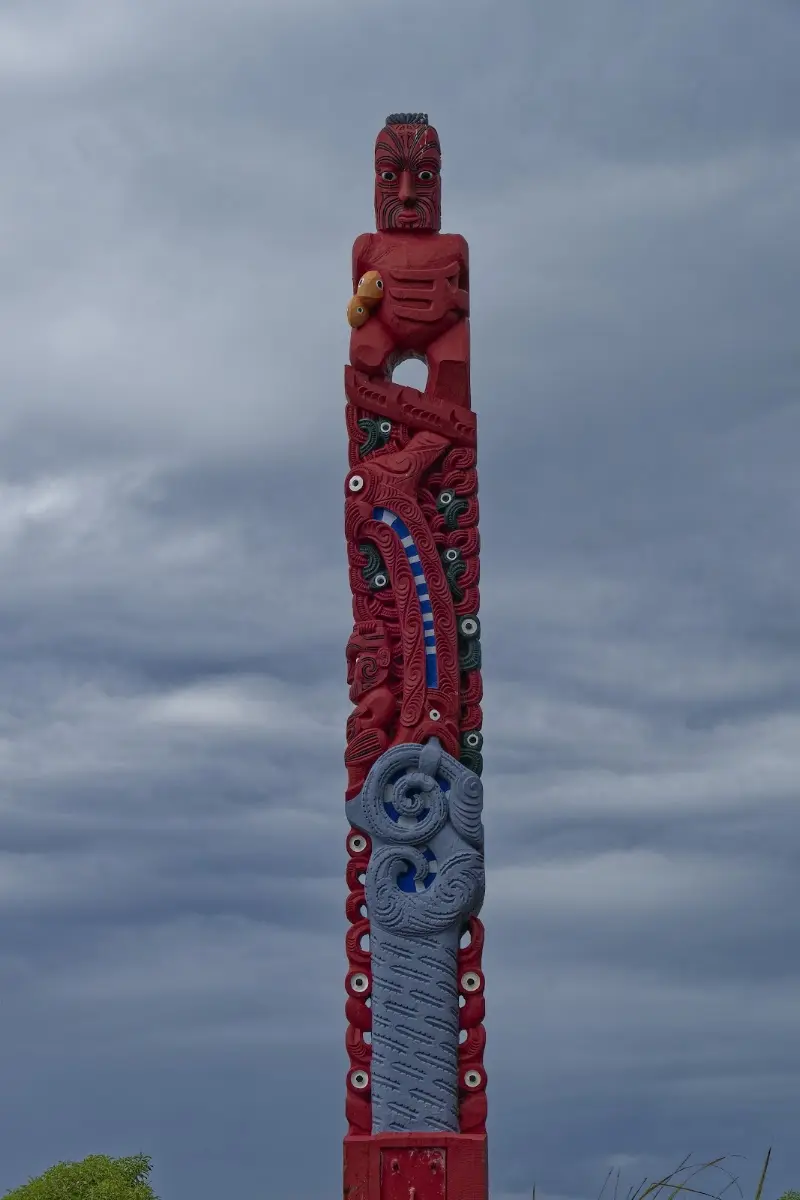
<p class="img-caption">One of Whakatāne's carved pou, telling part of the town's founding story.</p></p>

<p><div class="image-container"><img class="modal-image" data-large-src="img_nz05_rotorua/20151104_145520_large.webp" src="img_nz05_rotorua/20151104_145520.webp"/></div></p>

<p><div class="image-container"><img class="modal-image" data-large-src="img_nz05_rotorua/20151104_145655_large.webp" src="img_nz05_rotorua/20151104_145655.webp"/></div></p>

<p><div class="image-container"><img class="modal-image" data-large-src="img_nz05_rotorua/20151104_161924_large.webp" src="img_nz05_rotorua/20151104_161924.webp"/></div>
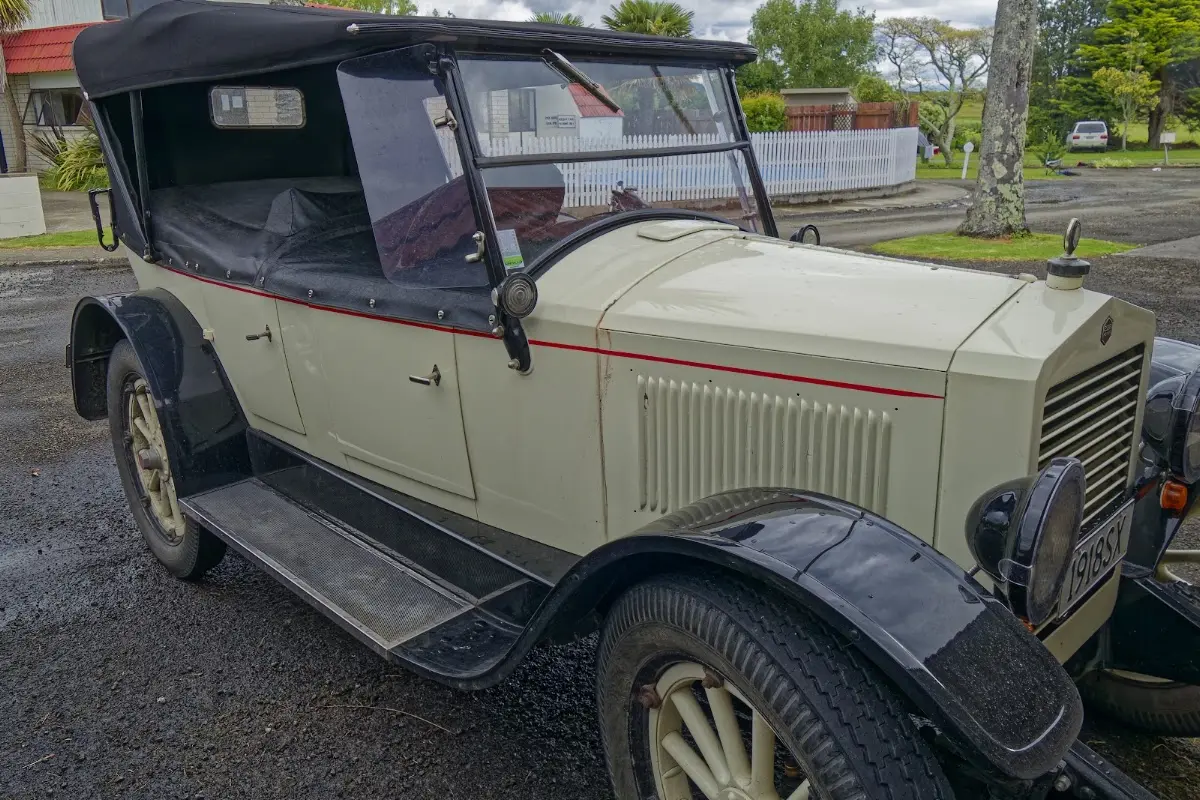
<p class="img-caption">A beautifully kept 1918 tourer, spotted parked on a Whakatāne street.</p></p>

<div class="w3-row w3-padding-32">
<div class="w3-card-1 w3-border w3-round">
<header class="w3-container w3-theme-green w3-round">

<h4>Ōpōtiki</h4>
</header>
<div class="w3-container">
<p>
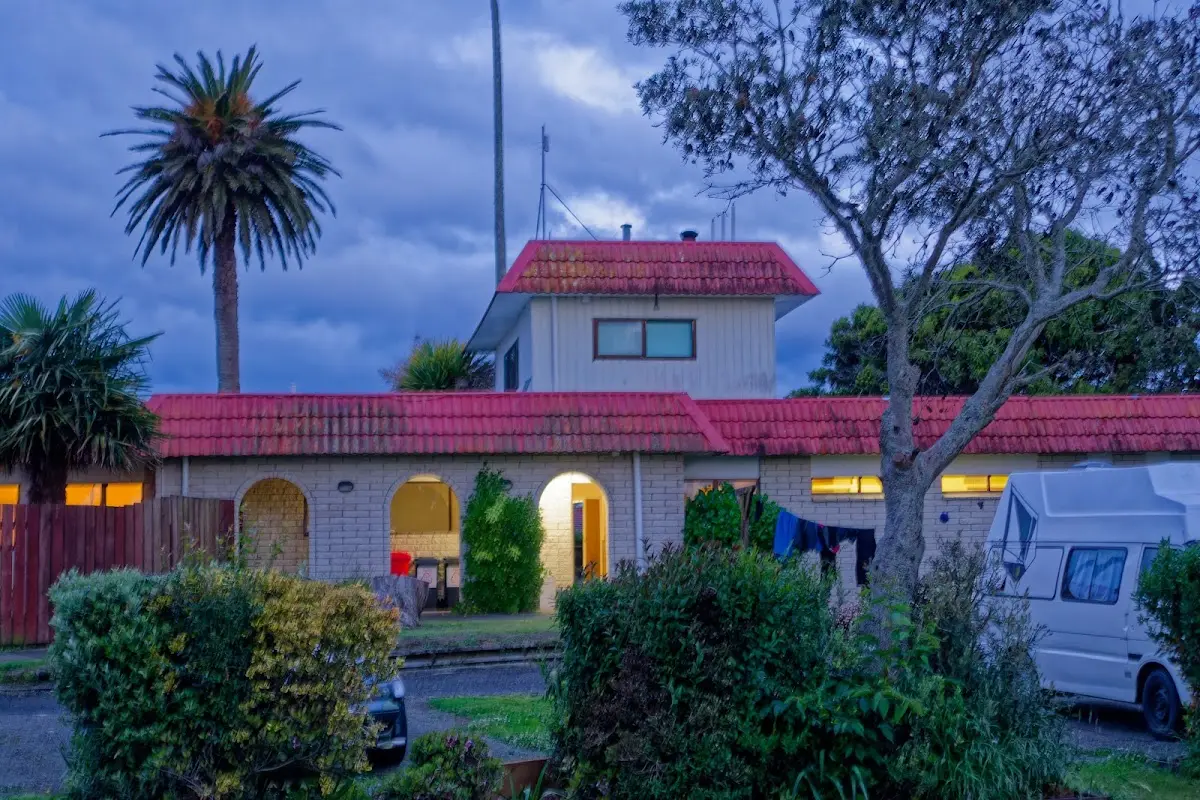
Ōpōtiki is the easternmost main town of the Bay of Plenty and has long served as a regional centre for the surrounding rural district. Historically important to Te Whakatōhea and later shaped by missionary activity, conflict, and farming, it is today a practical service town and a natural stopping point before the route turns more remote along the East Cape.
</p>
</div>
</div>
</div>

<p><div class="image-container"><img class="modal-image" data-large-src="img_nz05_rotorua/20151104_195757_large.webp" src="img_nz05_rotorua/20151104_195757.webp"/></div>
<p class="img-caption">The campground in Ōpōtiki at dusk — busy that night with German work-and-travel crowds.</p></p>

<p><div class="image-container"><img class="modal-image" data-large-src="img_nz05_rotorua/20151104_195823_large.webp" src="img_nz05_rotorua/20151104_195823.webp"/></div></p>


<p></p>
<p><a href="nz06_eastcape.php">...next chapter</a>.</p>


<div id="myModal" class="modal">
  <span class="close">&times;</span>

  <!-- Navigation buttons -->
  <span class="prev">&#10094;</span>
  <span class="next">&#10095;</span>

  <img class="modal-content" id="img01">
  <div id="caption"></div>
</div>


<?php
// Show related trips with matching tags
include '../includes/related_trips.php';
?>

</div>
<?php include '../nav/tail.php';?>